

If you follow my blog, you’ll know that I absolutely love Southeast asia, It’s probably my favourite region on the planet. Not only because of the incredible food and rich cultures, but also because of the stunning nature and wildlife experiences. From lush forests to vibrant coral reefs, Southeast Asia boasts an amazing variety of wildlife. Whilst many lists of wildlife encounters might mention whale sharks in Oslob or elephant rescue centre in Chiang Mai, I hope this list can give you inspiration of how to have ethical wildlife encounters without the crowds.
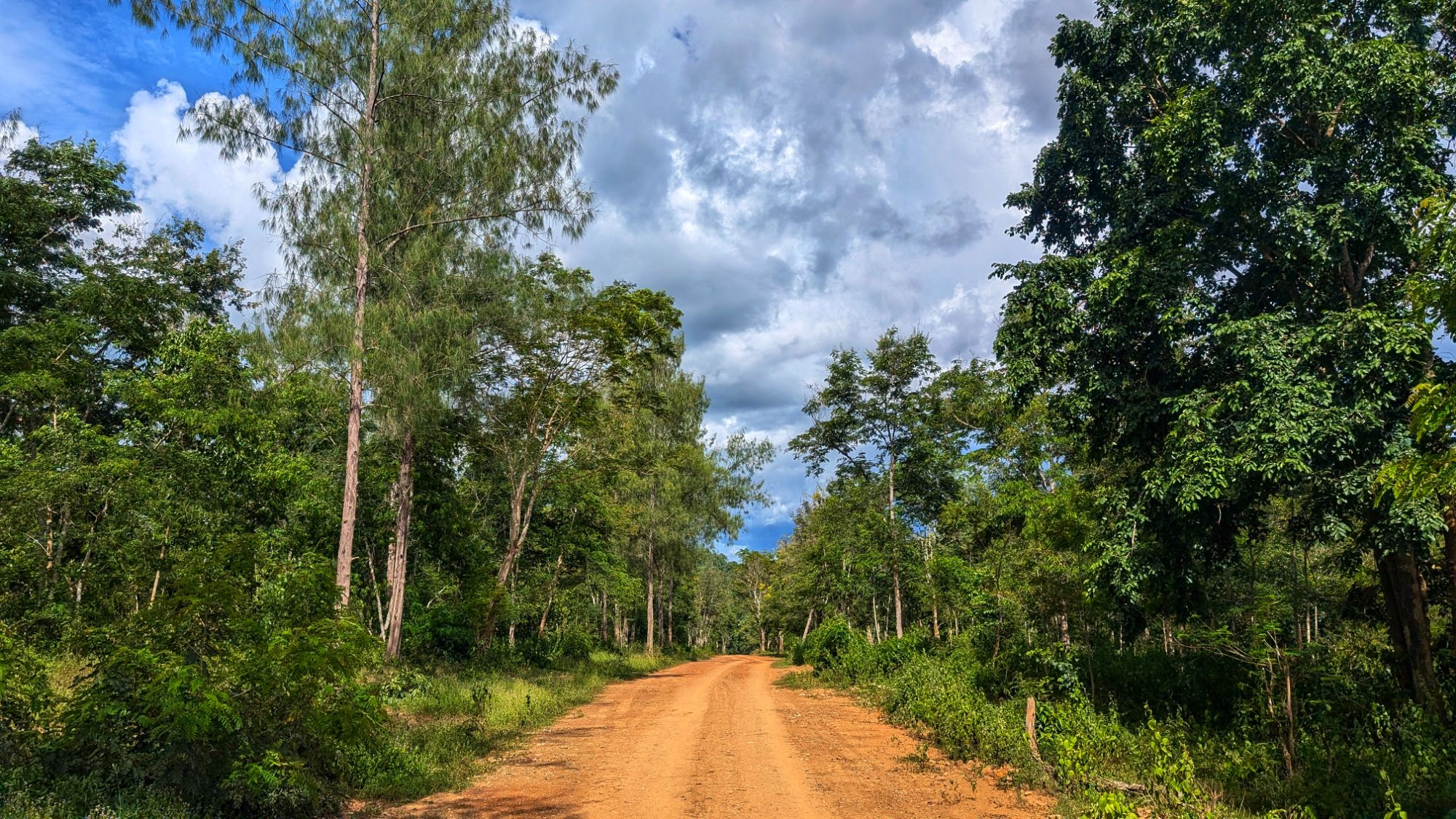
1. Gibbons and Great Hornbills in Khao Yai National Park, Thailand
Khao Yai National Park in Thailand offers a magical wildlife experience with its population of gibbons and great hornbills. Early morning visitors can hear the haunting calls of white-handed gibbons (also known as lar gibbons) echoing through the trees, watching as these agile primates swing gracefully through the forest canopy.

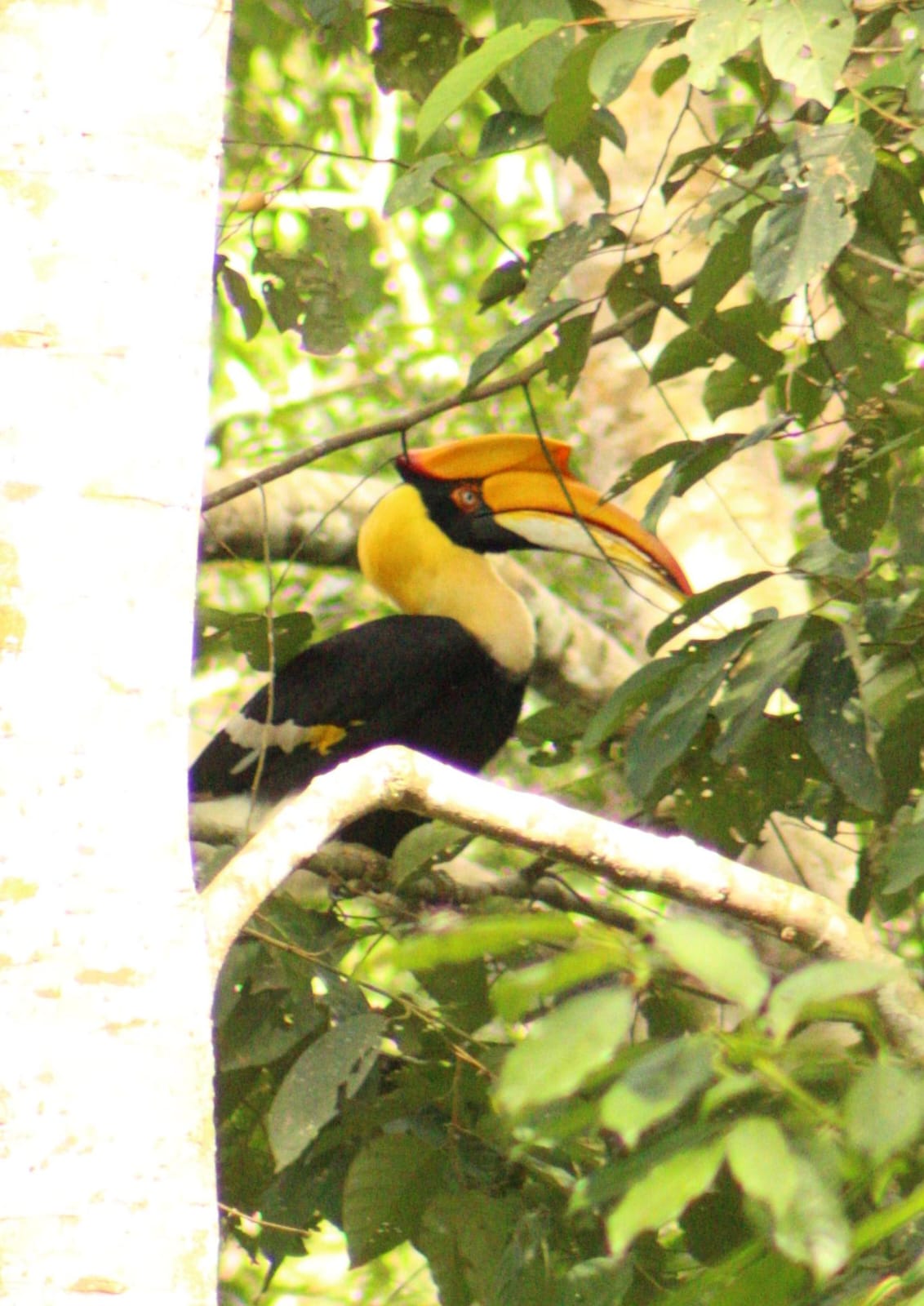
The park is also a haven for great hornbills, with their impressive wingspans and vibrant colors. A hike through Khao Yai’s lush trails can lead to sightings of these incredible birds, and many other species, making it a paradise for wildlife photographers and nature lovers alike.
You can take a tour here or hire a guide, but to escape the crowds, this park is accessible with your own transport. We hired a motorbike and drove from Pak Chong (which is connected via train to Bangkok). Once you arrive in the park there are car parks at all the trailheads and well signed trails. So you can immerse yourself in nature without seeing anyone else!
2. Wild Asian Elephants in Kui Buri National Park, Thailand
Although you might see Asian Elephants in Thai towns, tourist destinations or rescue centres, a more ethical way to see these majestic creatures is simply in the wild. Kui Buri is known as one of the best places to observe elephants in their natural habitat in Thailand, this park offers guided tours that bring you to popular elephant-watching spots.

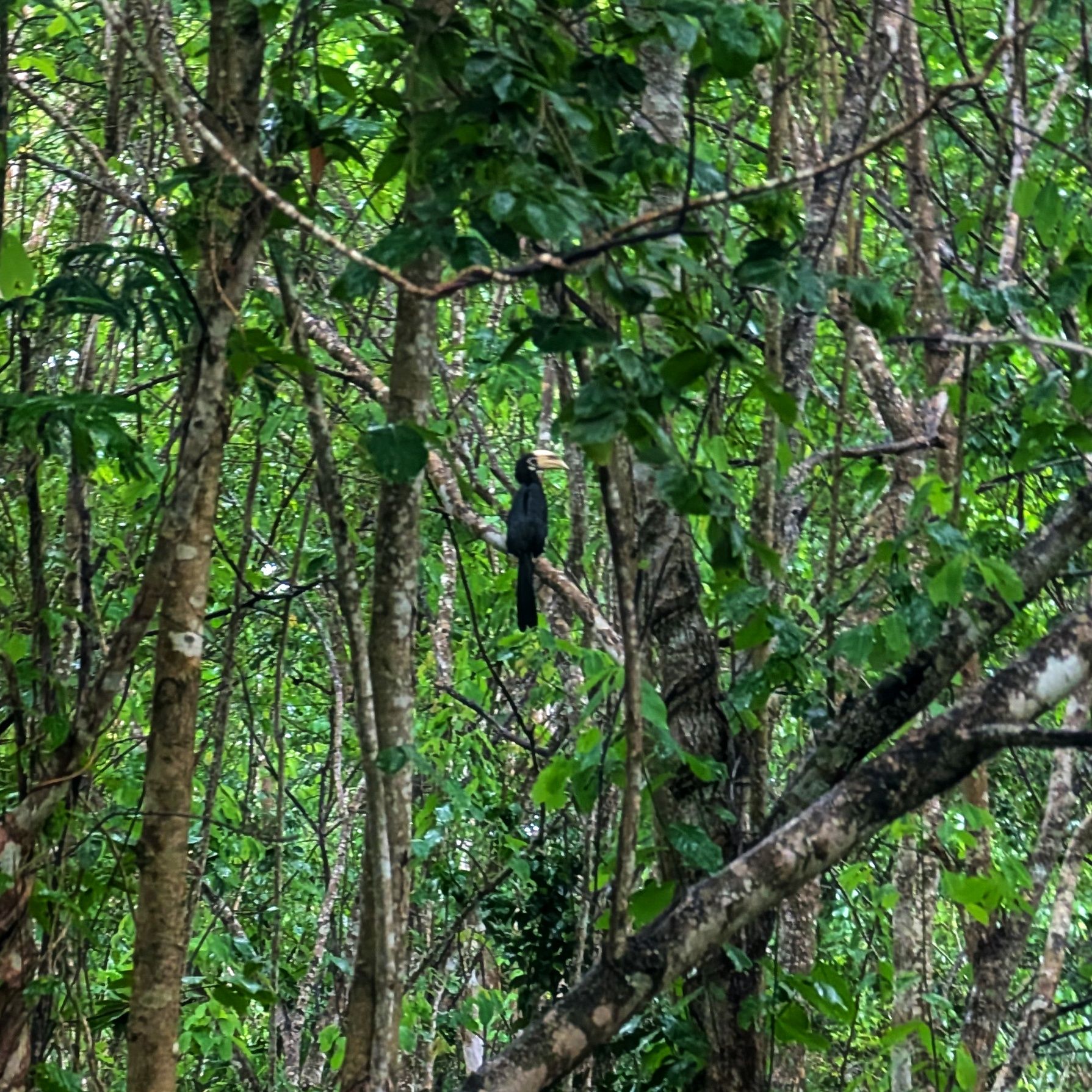
If you’re lucky, you might also spot Gaurs, a large species of wild cattle or oriental pied hornbills which also live in this park.
If you can get yourself to the park via car or motorbike from Prachuap, once you arrive at the visitors centre car park, you can jump in a jeep with a guide and driver. The price is per car, doesn’t need pre-booking and is very affordable, we had a private jeep and didn’t see many others the whole afternoon. Arrive there for 2-3pm as late afternoon is best to spot the elephants.
3. Dusky Langurs in Prachuap Khiri Khan, Thailand
In the coastal town of Prachuap Khiri Khan, specifically in Ao Manao, there is a small troop of dusky leaf monkeys. These charming primates, with their striking white eye rings, are gentle and curious, often spotted within the military complex at Ao Manao. Watching them interact is a delightful experience that’s also highly photogenic.

The coastal setting adds a unique backdrop for these wildlife encounters. Nearby karst and beaches offer stunning ocean views and make this a perfect spot to combine wildlife watching with scenic hikes or bike rides along Thailand’s beautiful coastline.

The monkeys can be accessed easily from Prachuap town by motorbike or bicycle. Make sure to take your passport and show it at the entrance to the military compound to gain access. They may ask to keep your passport as insurance for you exiting the same way.
4. Snorkeling in the Coral Triangle with Mantas and Whale Sharks
The Coral Triangle, which spans parts of Indonesia, Malaysia, and the Philippines, is one of the world’s most biodiverse marine regions. It’s renowned for its vibrant coral reefs, tropical fish and many other larger marine life like turtles manta rays, reef sharks and whale sharks. Sites like Raja Ampat, Menjangan Island, and Linapacan are ideal spots for underwater enthusiasts.

Jump in the water almost anywhere in this region and you’ll be treated with some of the world’s best snorkeling or diving. Ethical operators ensure these encounters are sustainable, allowing snorkelers to enjoy close-up views while minimizing environmental impact.
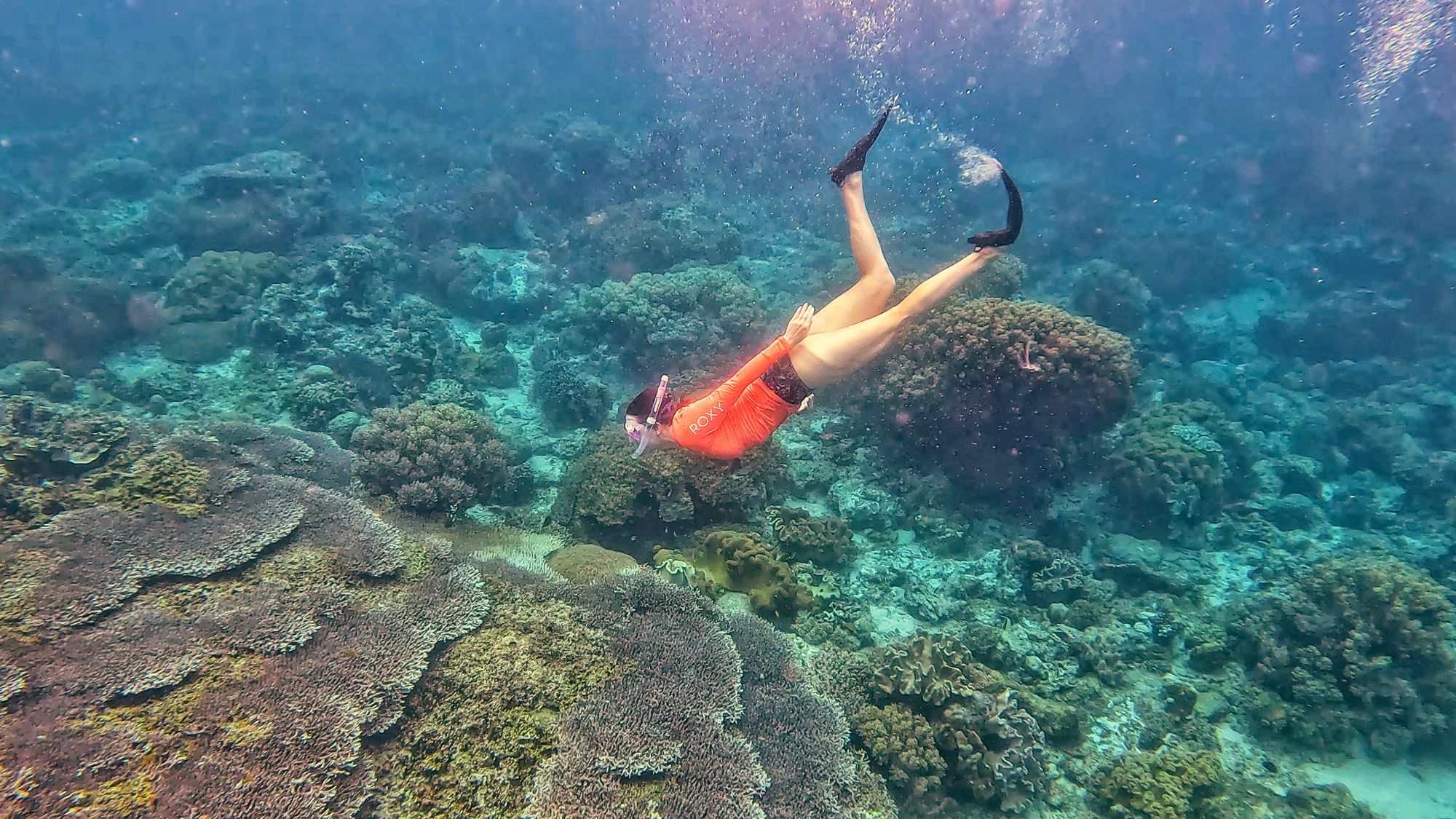

As mentioned, you can literally jump in the water almost anywhere in the region, but if you really want an experience to remember, try a multi-day expedition from Coron to El Nido (or vice versa) on a small intimate boat. I went with a company which goes with a max of 12 people – there were 9 of us.
5. Orangutans and Rhino Hornbills in Bukit Lawang, Indonesia
Bukit Lawang, in Sumatra, Indonesia, is a prime destination for seeing wild orangutans in their natural habitat. As you trek through the lush rainforests of Gunung Leuser National Park, you may witness these intelligent primates swinging through the trees. Watching an orangutan in the wild is a rare and humbling experience.
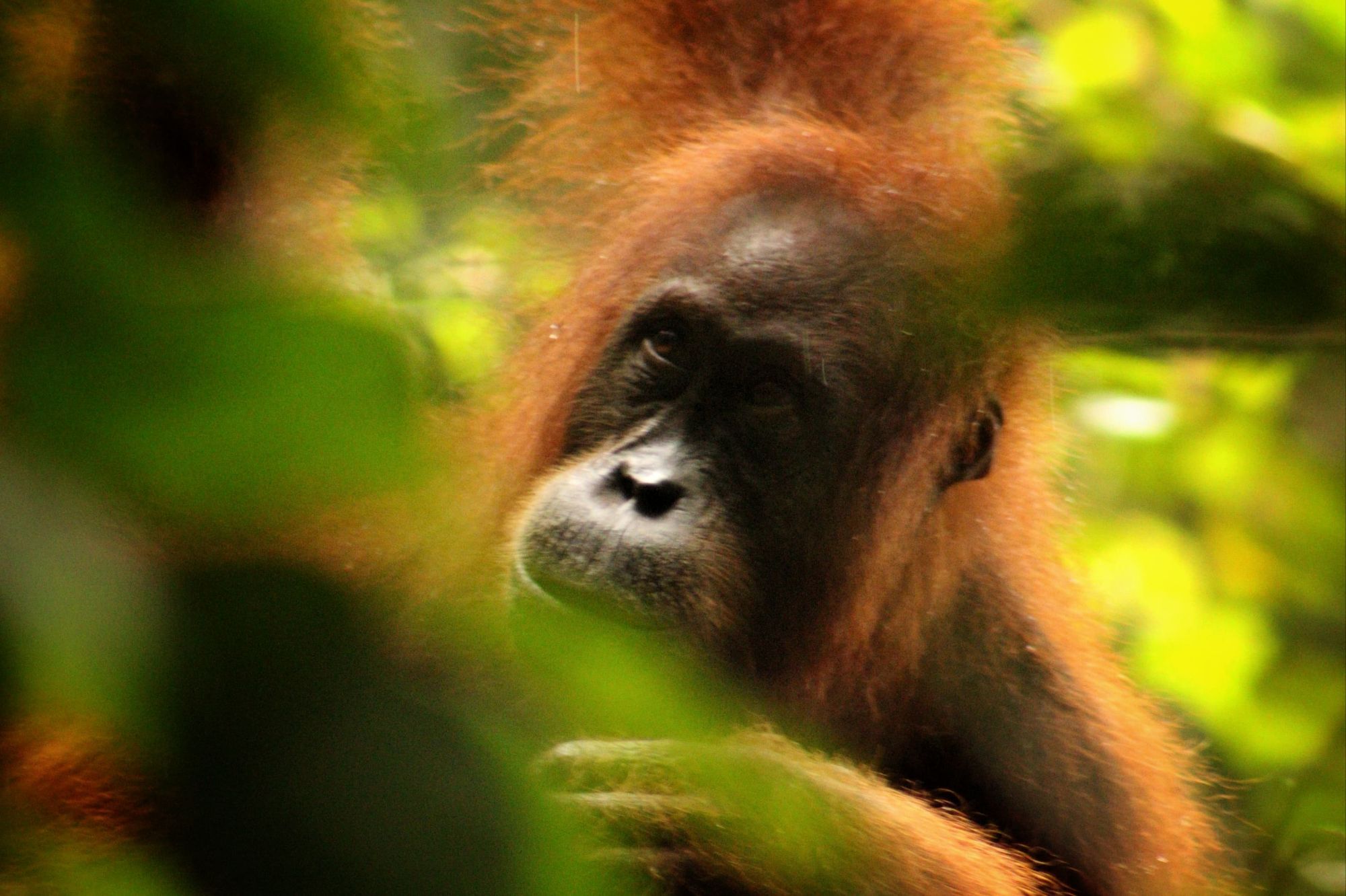
Gunung Leuser is also home to rhino hornbills, with their striking, colourful bills that stand out against the green jungle. Most treks here also finish with a traditional rafting experience, which is highly recommended!

You do need a guide to enter this park, but if you want to escape the crowds, don’t book your tour with one of the big popular companies in the town. We saw these tours and they had upwards of 10 people per group, sometimes 20 people in a group – very noisy. We booked with our guesthouse and it was a private tour, just us and our guide, for the same price (the tour price is fixed per person in Gunung Leuser). We ended up having an intimate experience with an orangutan up-close. We were so happy, as in a tour group, the noise might have scared it away.
6. Proboscis Monkeys in Bako National Park, Borneo, Malaysia
Bako National Park in Sarawak, Malaysia, is a prime spot to see the distinctive proboscis monkeys in their natural habitat. Known for their large noses and expressive faces, these monkeys are often seen lounging in trees near the coast, particularly around mangrove areas. Bako is one of the few places where visitors can easily observe these primates, as the park’s trails and boardwalks bring you close to their favorite habitats.
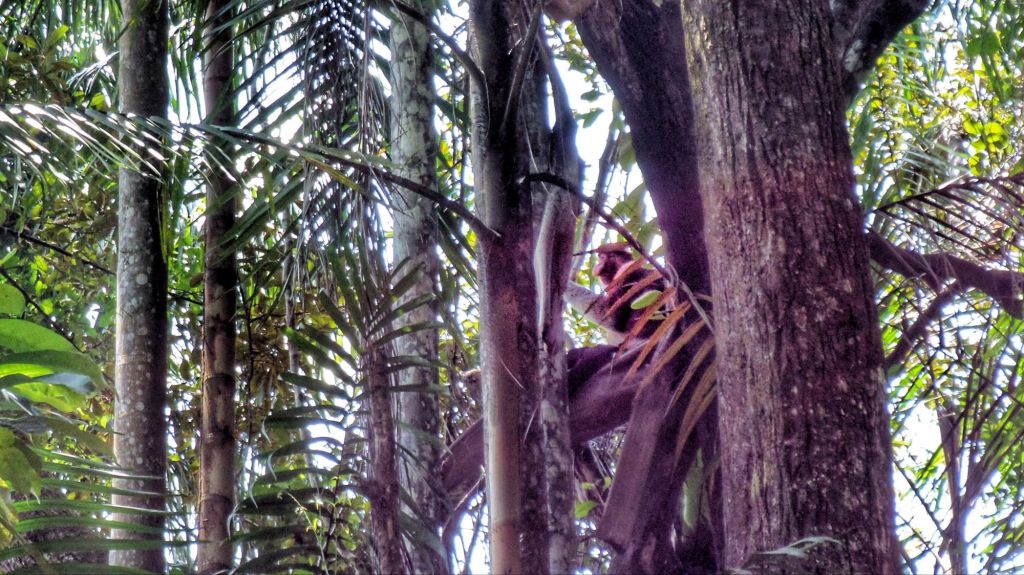
In addition to the proboscis monkeys, Bako’s unique ecosystems support a fascinating array of wildlife. Mudskippers—fish that can walk on land—are a common sight along the muddy shores, darting between the mangroves. Silvered langurs, another type of primate with striking silver-gray

The park is easy to access from Kuching town and includes the boat to and from the peninsula. You don’t need a guide to enter the park and the trails are well signposted, so it is easy to escape people who tend to stay by the beach.
7. Komodo Dragons on Komodo and Rinca Islands, Indonesia
The rugged landscapes of Komodo National Park are home to the world’s largest lizards, the Komodo dragons. These massive reptiles, which can reach lengths of up to 10 feet, roam freely across Komodo and Rinca islands. Guided tours led by rangers offer a safe way to encounter these impressive creatures and learn about their unique role in the ecosystem.
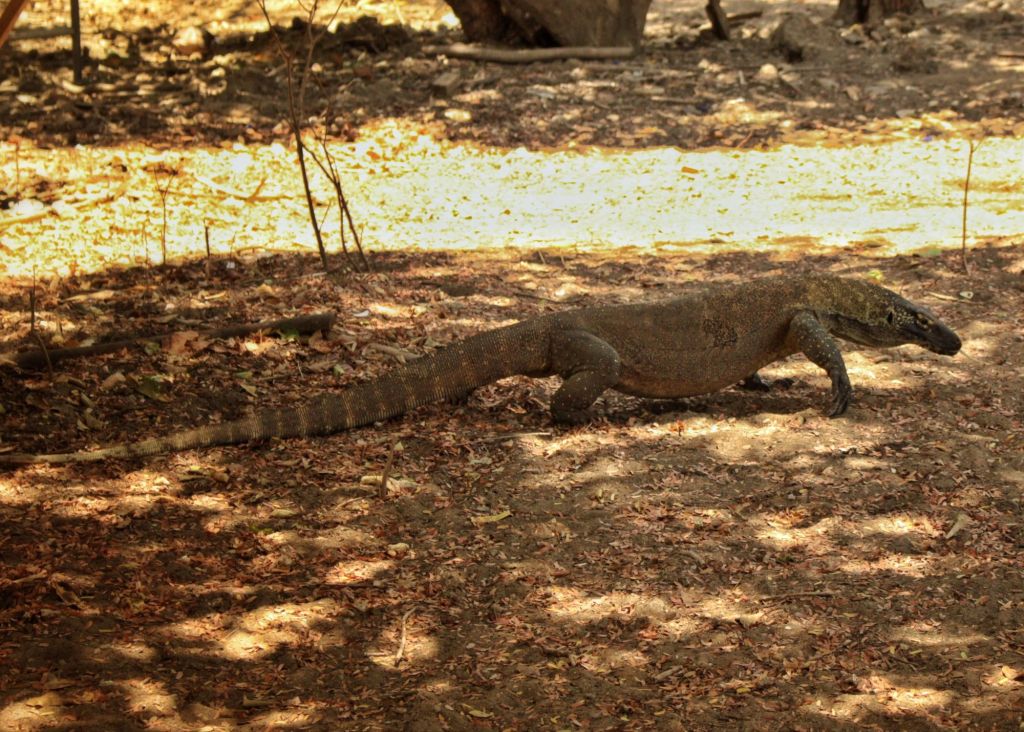
Beyond dragon spotting, the park is also part of the Coral Triangle, boasting crystal-clear waters, vibrant coral reefs, and rich marine life, making it a top destination for snorkeling and diving. The beauty of the islands and their biodiversity make this a truly unforgettable wildlife experience.

Honestly, it’s trickier to escape the crowds here, but we booked with Red Whale, a company in Labuan Bajo, and they do their best to beat the crowds for you, setting off slightly earlier than the bigger boats and having a flexible itinerary. We were on a boat for 7 people only, we were able to travel faster on the water, by the time we were leaving Padar and Komodo, the islands were starting to get even busier! And we changed our itinerary to dodge the crowds. Well recommended.
8. Otters in Singapore’s Marina Bay
The smooth-coated otters of Singapore have adapted surprisingly well to urban life, and Marina Bay is one of the best places to spot them. These playful otters are frequently seen along the waterfront, delighting locals and tourists as they hunt and interact with each other in this highly urbanized environment. Their lively behavior and close family bonds make them a joy to watch and photograph.

The best time to see the otters is very early in the morning at dawn. Dave got these pictures at about 7:30 – 8am, before the marina is crowded.
9. Cave Swiftlets in Phong Nha-Ke Bang National Park, Vietnam
Vietnam’s Phong Nha-Ke Bang National Park is home to some of the world’s largest cave systems, including Hang Son Doong, the largest known cave. These caves house thousands of swiftlets, whose nests cling to the high cave walls. Exploring these caves offers a journey into an otherworldly landscape. The swiftlets are a unique part of this ecosystem, and the caves provide a memorable glimpse into one of Southeast Asia’s most impressive natural wonders.
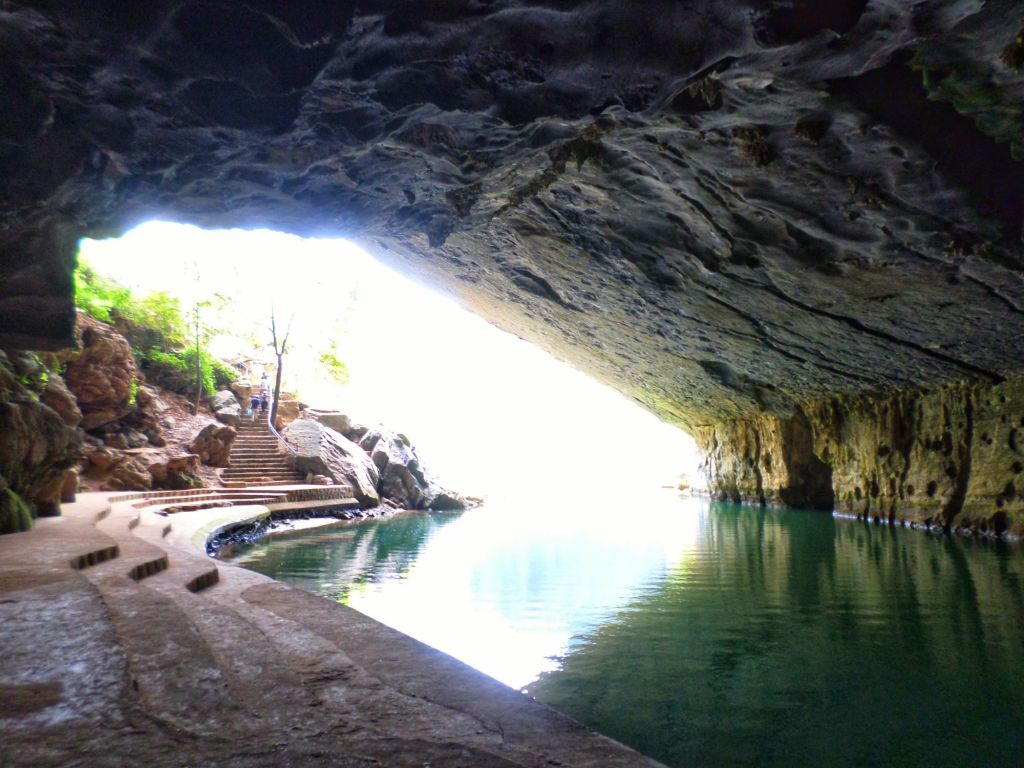
Phong Nha is a much lesser known region in Vietnam and although it is very touristy, its a little harder to access as there are no direct trains or buses, which makes the national park and caves much quieter and more authentic.
10. Sun Bears and Slow Lorises in Laos
In Laos, sun bears and slow lorises are rare but fascinating species to see, though sightings in the wild are uncommon. Conservation centers, like Free the Bears, provide ethical options for observing these animals up close. The center rescues sun bears, whose distinct chest patches and playful behavior make them captivating.

Laos is probably one of my favourite places to escape the crowds in Southeast Asia. Most people visit Luang Prabang and Vang Vieng only, so you can go to LITERALLY any other town in Laos and be treated with quiet uncrowded parks and towns!
This guide captures the unique array of wildlife and ecosystems across Southeast Asia, inviting travelers to experience and appreciate the region’s natural wonders in a responsible and impactful way. From rivers and jungles to marine habitats, Southeast Asia’s nature travel experiences offer countless unforgettable moments.
Why not pin this post to find it again later!

 Travel Alchemist
What are your best Travel Tips?