
Fulhadhoo, a remote island in the Baa Atoll of the Maldives, is one of the most underrated travel destinations in the country. With powder-white sand, turquoise lagoons, and thriving marine life, it offers everything visitors hope for from a Maldivian escape — but with fewer crowds and a more authentic, laid-back island atmosphere.
This guide covers everything you need to know about visiting Fulhadhoo: how to get there, the best snorkelling spots, wildlife encounters, accommodation, and practical travel tips.
- Getting to Fulhadhoo
- Where to Stay: Guesthouses on Fulhadhoo
- Beaches on Fulhadhoo
- Snorkelling & Wildlife Encounters
- Costs & Value for Money
- Why Visit Fulhadhoo?
- Travel Tips for Fulhadhoo
- FAQs
- 🎥 Watch our YouTube video on Fulhadhoo here
- If you like this, check out:
Getting to Fulhadhoo
Reaching Fulhadhoo independently can be tricky. In theory, public ferries run via Eydhafushi (with onward connections to Goidhoo and Kendhoo), but schedules are inconsistent and rarely align with what’s advertised online. Boats often leave at different times than published, and even locals struggle to confirm departures.
For many visitors, the easiest and most reliable option is to arrange a direct speedboat transfer through your guesthouse. Expect to pay around $150 per boat (one-way) from Dharavandhoo or nearby islands, which can actually save time and hassle compared to waiting for connections.
👉 Budget tip: If you’re determined to use the public ferry, check the MTCC website in advance but always confirm with your guesthouse or locals. Be prepared for delays and flexibility.


Where to Stay: Guesthouses on Fulhadhoo
One of the best options is Three Hearts Guesthouse, a family-run stay with welcoming hosts, generous breakfasts, and easy access to the beach.
Guesthouses on Fulhadhoo are slightly pricier than on neighbouring islands, but the experience — especially the quiet, remote setting — is well worth it.
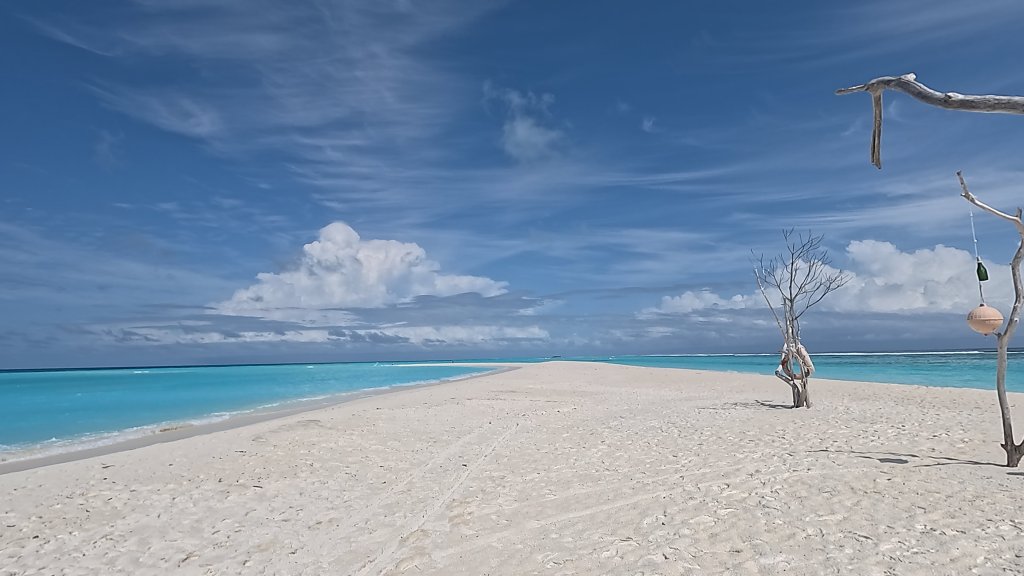
Beaches on Fulhadhoo
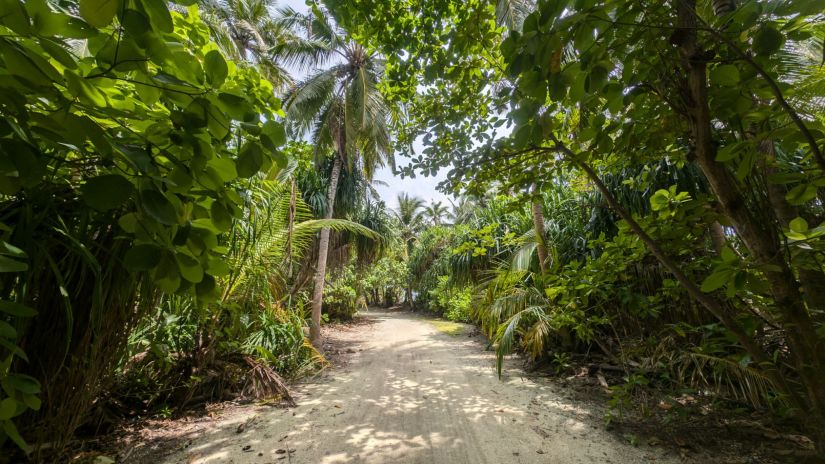
The island’s western beach is often described as one of the most beautiful in the world. To reach it, you’ll follow a shady jungle path about 1km from the village.
Highlights include:
- The sandbar: a long spit of white sand stretching out into crystal waters.
- Pink-tinged sand: caused by red coral fragments mixing with white sand.
- Seclusion: even in high season, you’ll often find stretches of beach entirely to yourself.
Sunsets here are spectacular, and the lack of light pollution makes stargazing unforgettable.

Snorkelling & Wildlife Encounters
House Reef & Lagoon
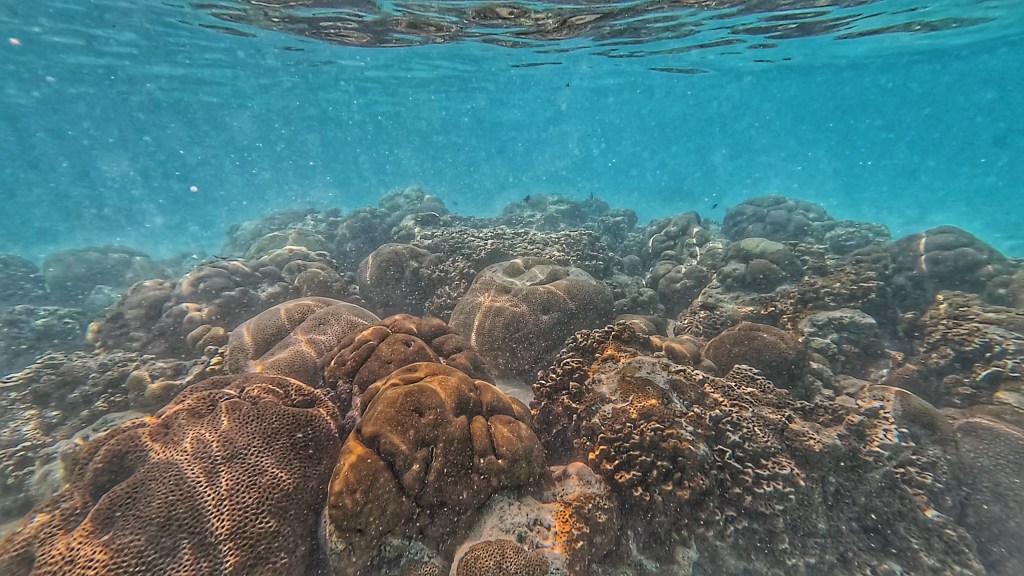
Fulhadhoo’s north beach reef is home to colourful red corals and butterflyfish, though currents can be strong east-to-west.
The trick is to walk east along the beach and drift snorkel back with the current.
Blacktip reef sharks and rays are common around the harbour shallows — especially at sunset.

Manta Snorkelling
Unlike Hanifaru Bay, where manta sightings are seasonal, Fulhadhoo offers year-round manta encounters. Guesthouse tours often spot several individuals within minutes of leaving the harbour.
Cost: around $85 for two people (private tour).
Duration: 1–2 hours.
Experience: intimate, calm encounters without the crowds.

Other Snorkel Trips
Guesthouses also run affordable excursions to nearby reefs:
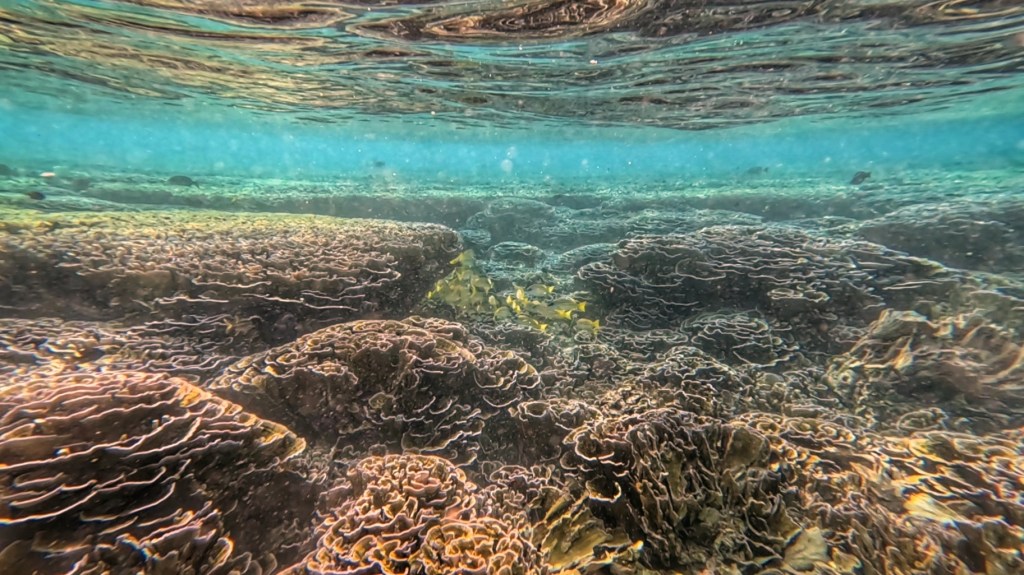
Coral Garden: vibrant coral, good visibility outside monsoon season.
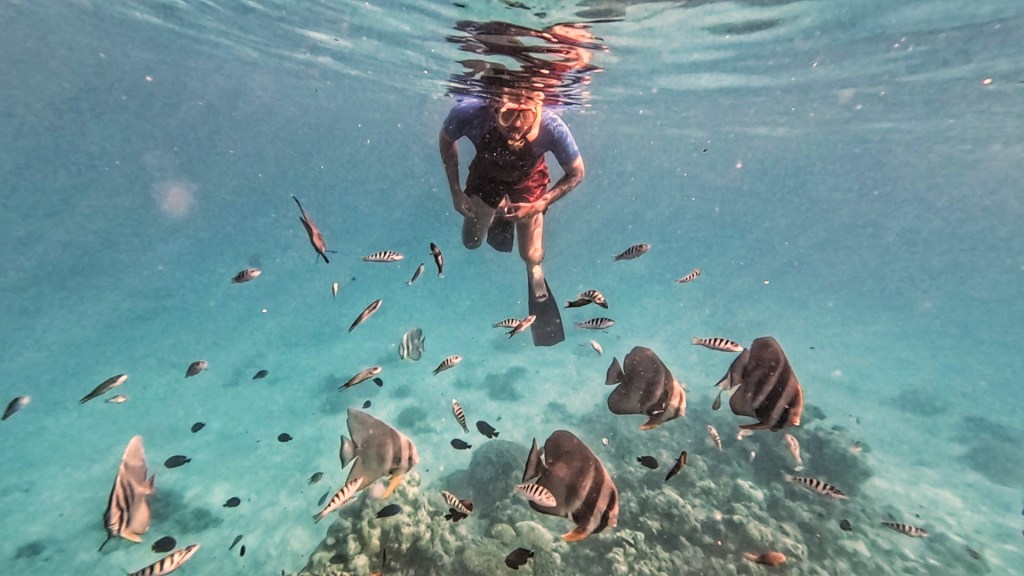
Fish Point (Innafushi area): giant batfish, octopus, moray eels, and even passing mantas.
Night Snorkelling: glowing corals under UV light, plus the thrill of exploring after dark.
Evening Highlights: Sharks, Rays & Stars
Baby reef sharks patrol the harbour shallows at dusk, alongside eagle rays.
Exotic birds (parrots, parakeets, lovebirds) are often spotted as free-roaming pets on the island.
On one trip, we saw octopus, a massive two-storey coral formation, clownfish colonies, and more mantas — making it one of the best snorkelling days we’ve ever had in the Maldives.

With almost no light pollution, Fulhadhoo offers jaw-dropping views of the Milky Way — perfect for astrophotography.

Costs & Value for Money
Accommodation & meals: slightly more expensive than Dharavandhoo.
Excursions: significantly cheaper (and often private).
Overall: balances out to be similar in cost, but the quality of experiences — particularly manta snorkelling — is higher.
Why Visit Fulhadhoo?
If you’re looking for a peaceful, authentic Maldivian island with world-class beaches and accessible wildlife, Fulhadhoo should be at the top of your list. It’s quieter than Dharavandhoo, has one of the best beaches in the country, and offers excellent value on snorkelling excursions.
For travellers seeking mantas without the Hanifaru crowds, Fulhadhoo is a true hidden gem.

Travel Tips for Fulhadhoo
- Pack reef-safe sunscreen and a rash guard — the sun is brutal.
- Bring a dry bag for day trips and unexpected rain showers.
- Carry cash in USD or Maldivian rufiyaa; card payment is not always accepted.
- Currents can be strong on the reef — drift snorkelling is the safest option.
- Best time for mantas: year-round, but calm seas outside monsoon (Nov–Apr) improve snorkelling conditions.

FAQs
How do you get to Fulhadhoo?
The easiest option is a speedboat transfer arranged by your guesthouse (approx. $150 from Dharavandhoo). Public ferries run, but schedules are unreliable.
Are mantas guaranteed in Fulhadhoo?
Manta sightings are possible year-round, though numbers are smaller than Hanifaru Bay. Most guesthouse tours have excellent success rates.
Is Fulhadhoo good for budget travellers?
Yes. Guesthouses are pricier than some local islands, but snorkelling excursions are cheaper and often private, balancing overall costs.
What wildlife can you see in Fulhadhoo?
Manta rays, blacktip reef sharks, eagle rays, batfish, octopus, moray eels, clownfish, and more. Baby sharks and rays are often seen in the harbour.
When is the best time to visit Fulhadhoo?
For calm seas and best visibility, visit between November and April. However, mantas can be seen year-round, even during the monsoon season.

🎥 Watch our YouTube video on Fulhadhoo here
If you like this, check out:

6 Things to do on Fulhadhoo for Nature and Wildlife Lovers
Nestled among the outer islands of Baa Atoll in the Maldives, Fulhadhoo is a less visited island off the beaten path, which makes it perfect for…
 Travel Alchemist