
If you’re a regular follower of my blog, you might have noticed a significant trend over the last year we’ve been travelling… More and more birds popping up in the posts. Yeah… sorry about that 😂
I’ve always been into wildlife, more than the average person, for sure, and most of my travels in my 30s have basically been centred around wildlife travel. But in the last year, a passion for birds has been growing under the surface. It happened slowly at first – we saw a turquoise-browed motmot in Uxmal, that was cool… and saw a trogon on the side of the road in Belize, so pretty… Then we went to Tikal, and it really began to get serious. I downloaded the Merlin bird app for the first time to track my bird sightings, and was hooked.
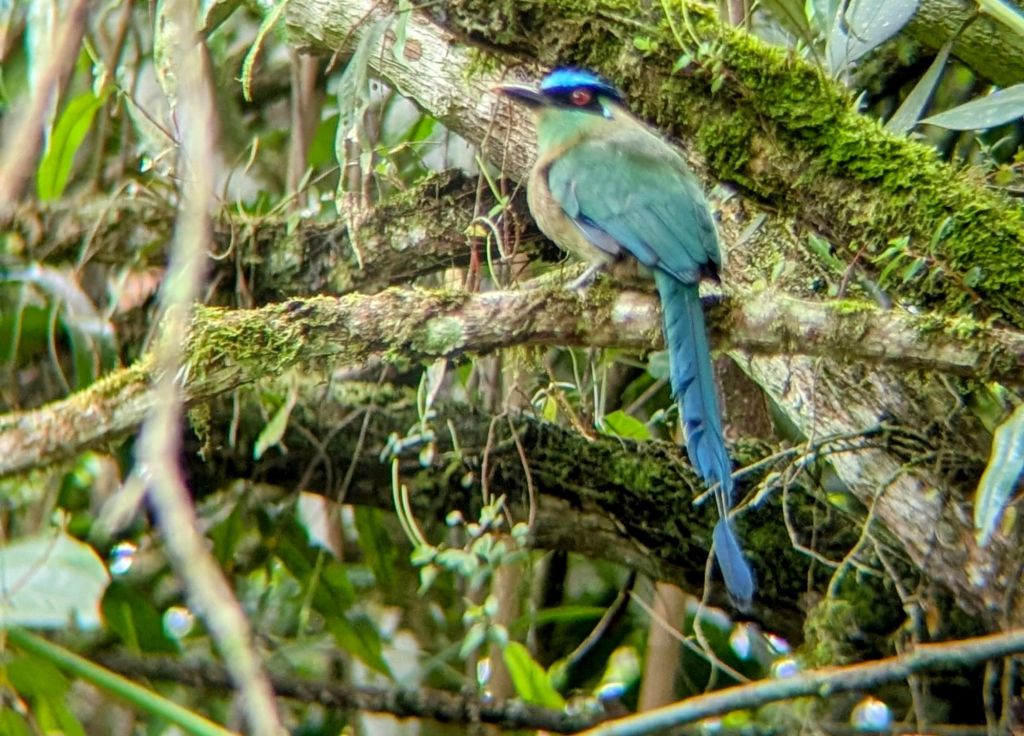
Since then, there’s been a significant portion of our trip spent looking for exotic and endemic birds – kind of casually at first, but getting more and more serious. And of course, some birds stand out for me – Motmots for instance, their intelligence and quirky behaviour is captivating, so why not always have one eye open on the roadside? We see them all the time now!
So now, we’re in a country which has 1 in 5 of the world’s bird species (and the most bird species of any country), it’s even harder not to get sucked into the seemingly birding frenzy which exists everywhere here…
Yeah… So I think in this last year I’ve finally evolved into a birder haha.
So where’s the best birding in Colombia? I hear you ask… There are several places, but Jardin and Manizales, 2 towns close to 2000m in the Andes, are famous for their biodiversity and for being incredibly beautiful as well….
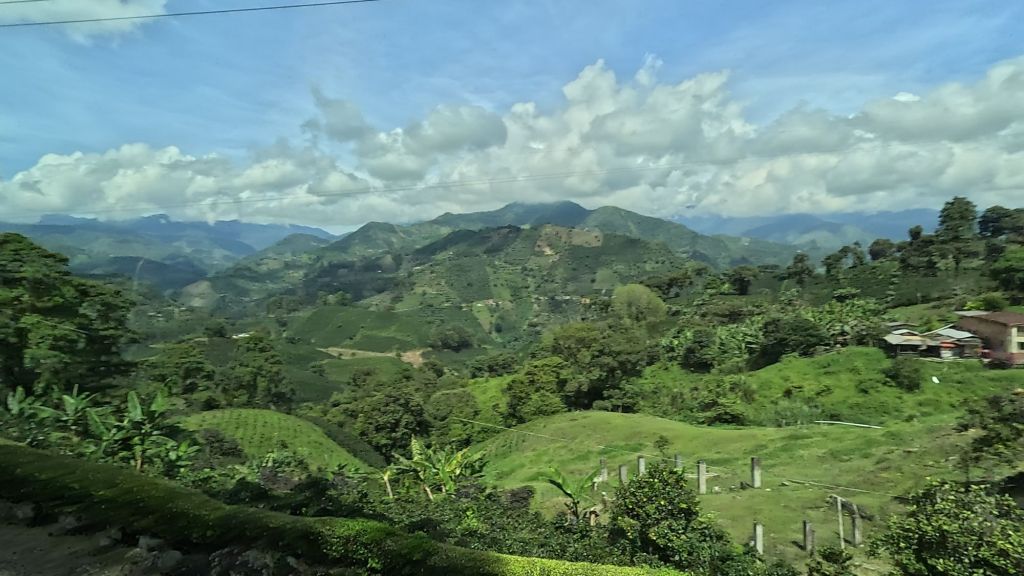
Jardín was our first stop, an easy 3.5 hour bus ride from Medellín, along winding mountain roads covered in lush green forest. The road was stunning!
We passed through several quaint towns, with the houses all painted different colours, with mad colourful buses (or chivas) in the streets and 4×4 jeeps as the public taxis… We kept thinking, wouldn’t it have been nice to stop here… 😔
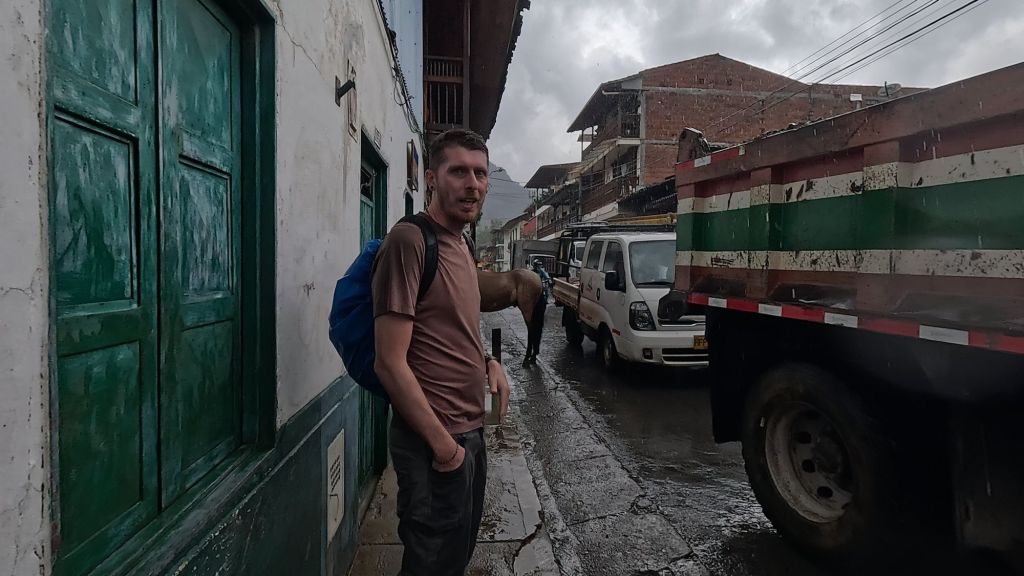
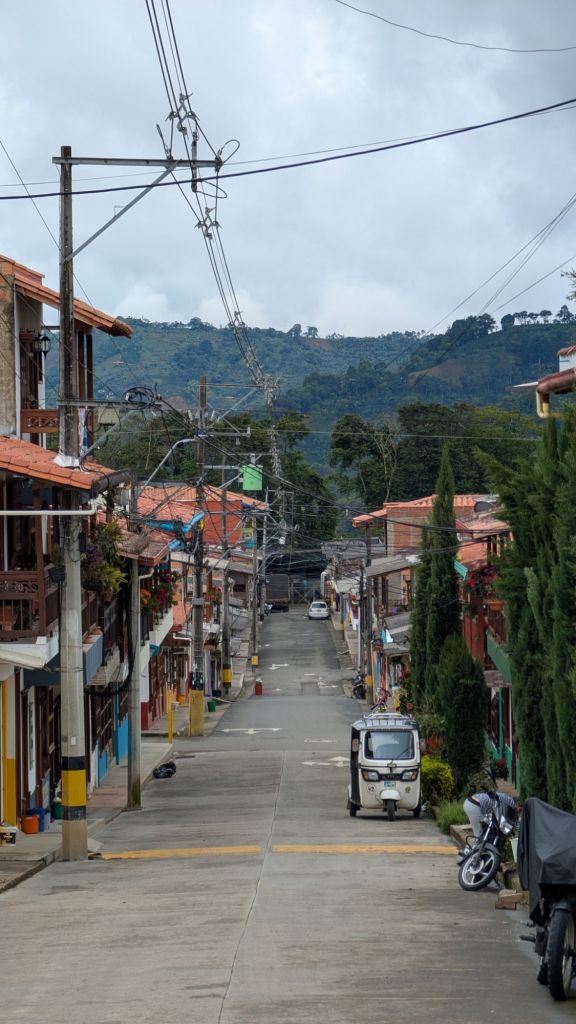
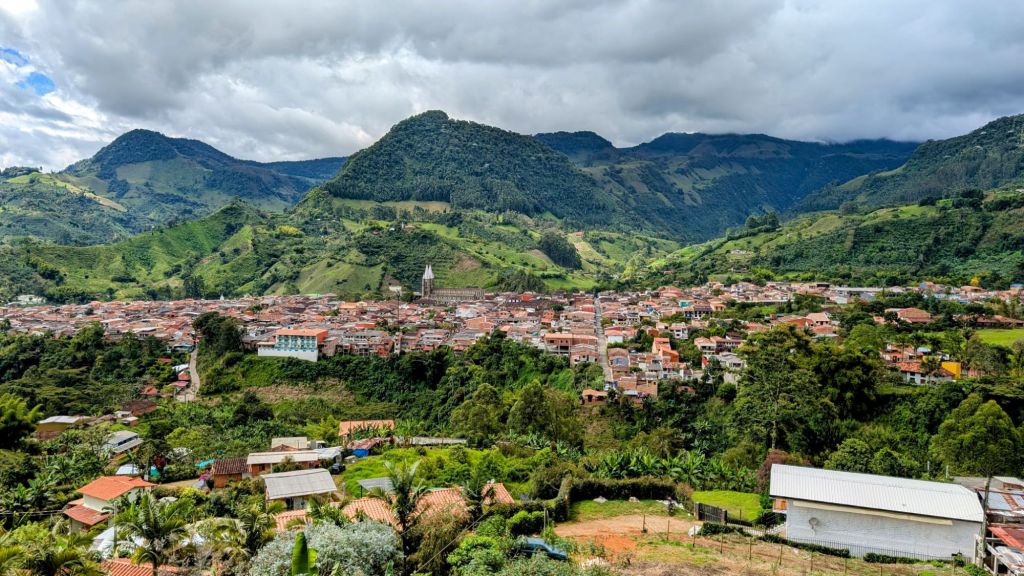
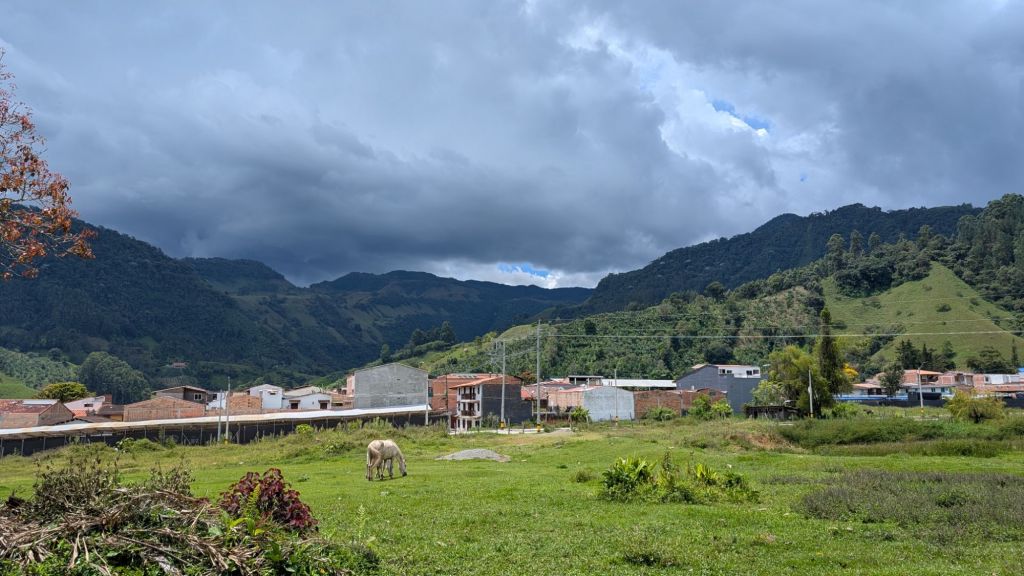
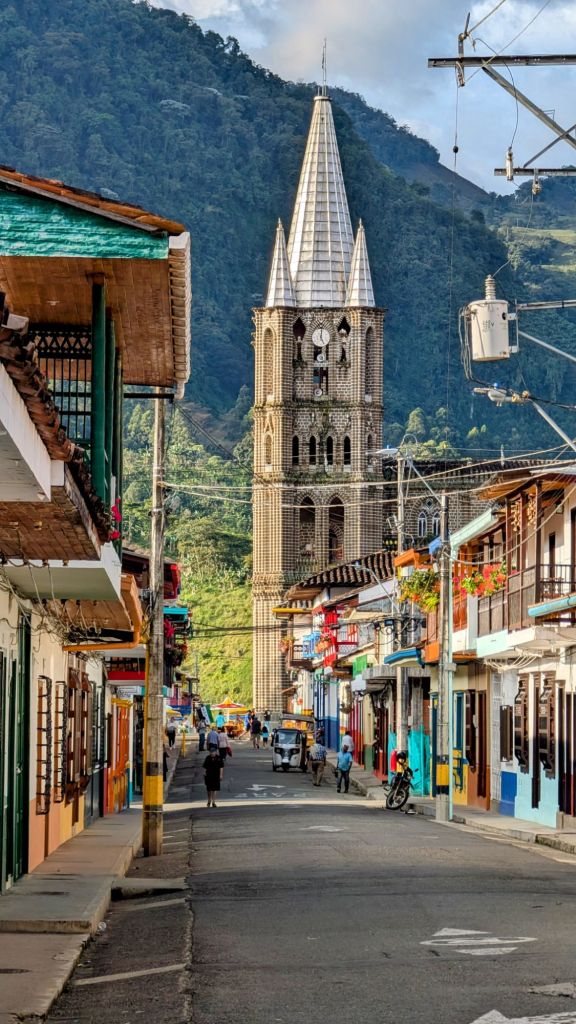
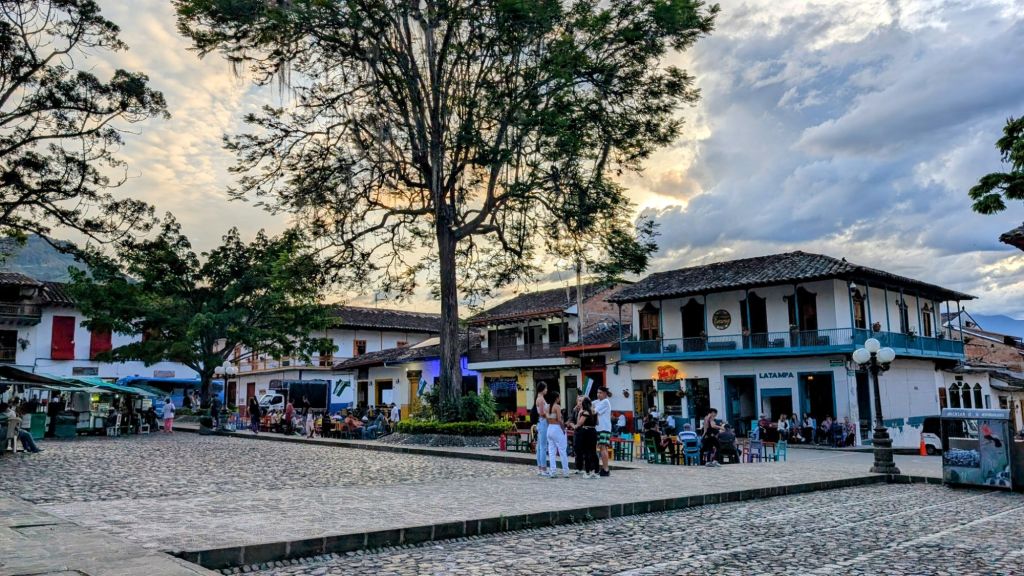
But then, we arrived in Jardín, and it was the most beautiful of all the towns we saw. The streets were lined with colourful houses, all with balconies looking full of perfectly tended potted flowers and hanging baskets – it really did live up to its name (Jardin means garden).
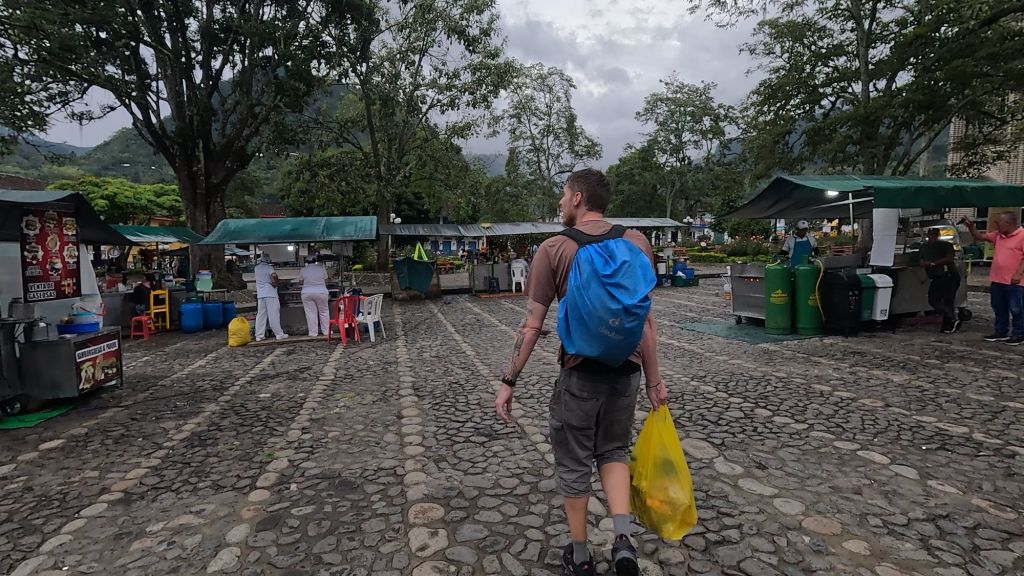
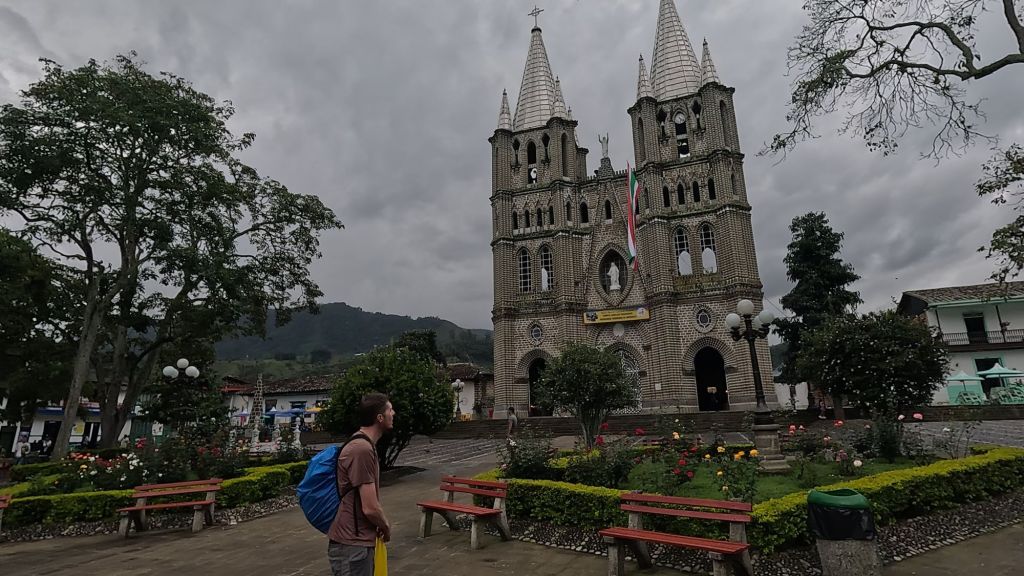
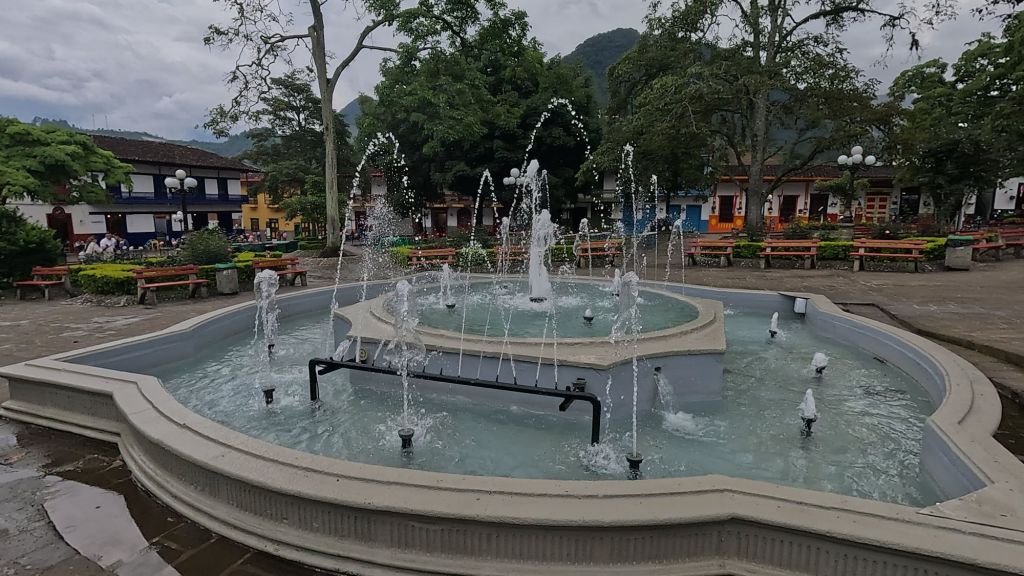
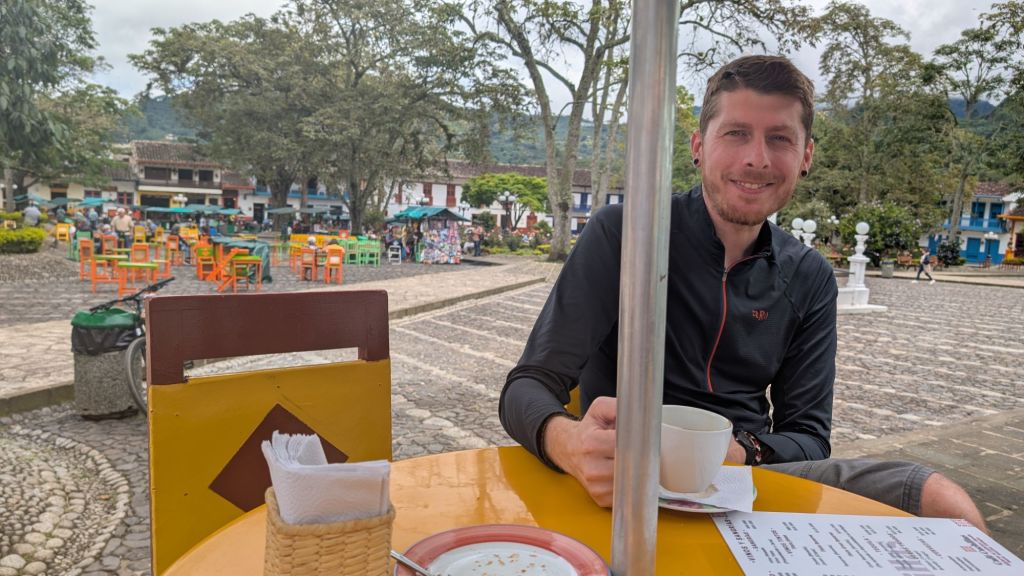
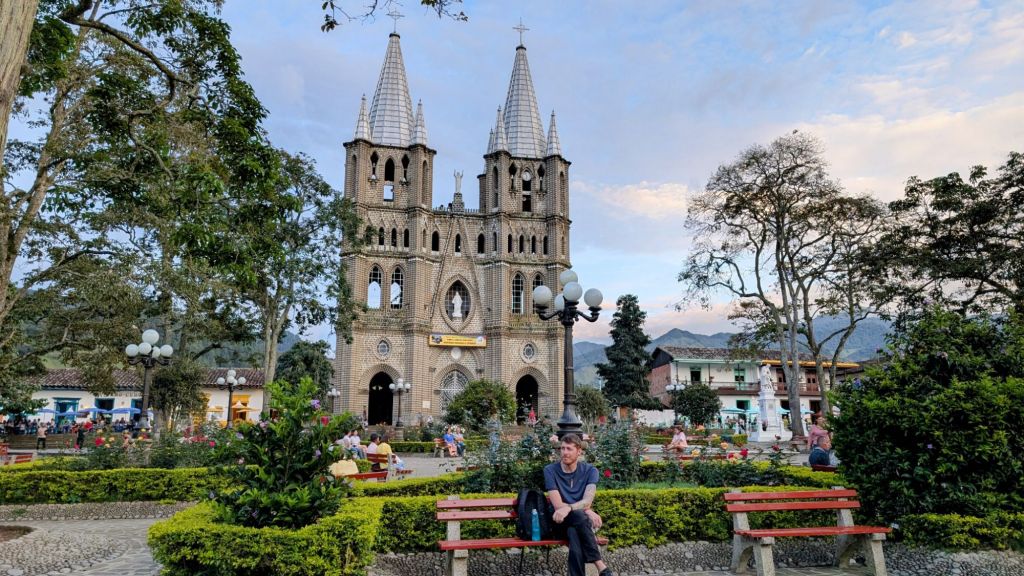
There was a central square with an ornate church, and the square was surrounded by independent cafes all with outdoor seating, which was full of locals enjoying locally grown coffee. (Jardin is in the heart of the coffee region of Colombia afterall…).
There weren’t many tourists here either, which made the town feel authentic and genuine. We really did fall in love with this beautiful pueblo.

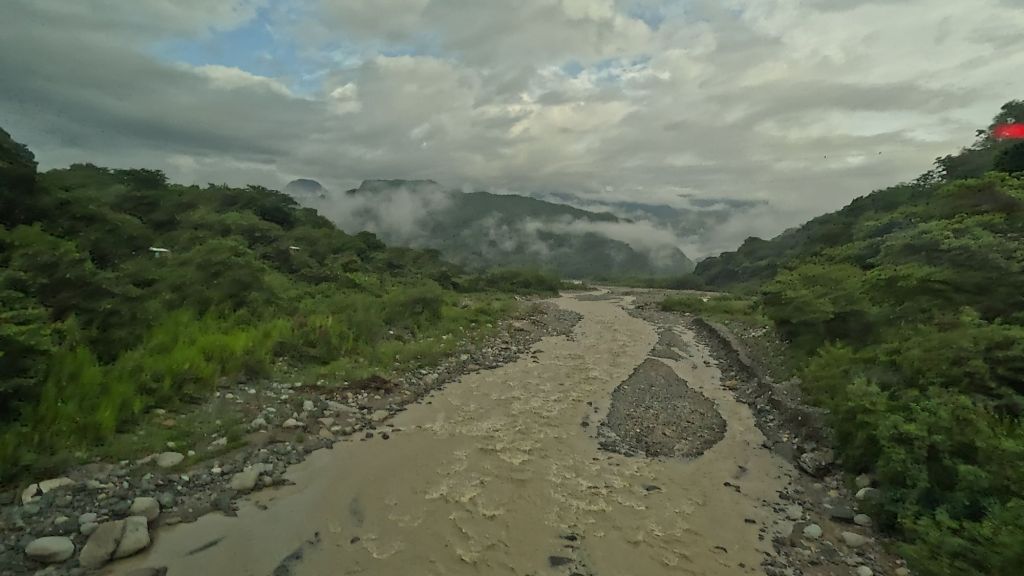


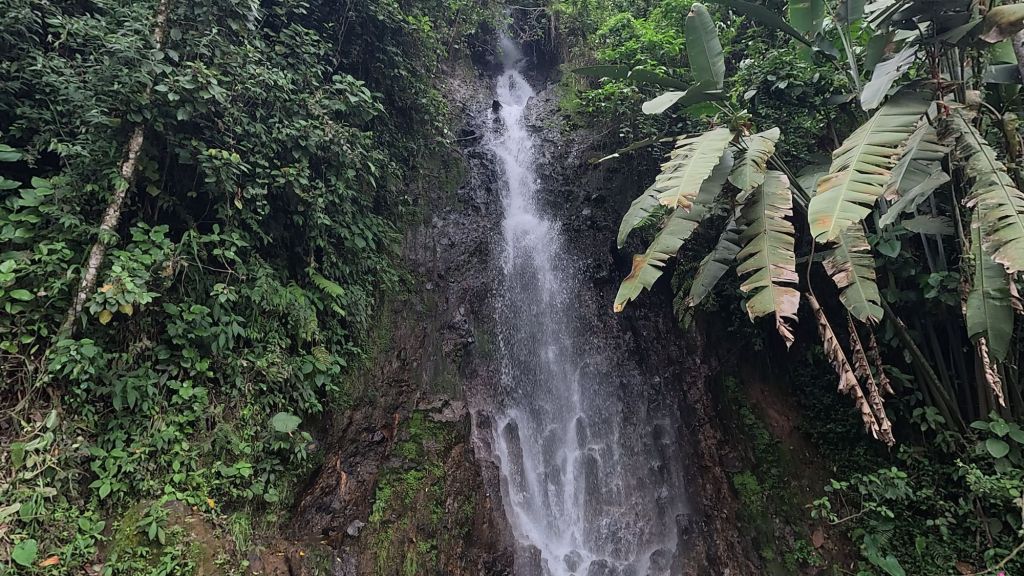
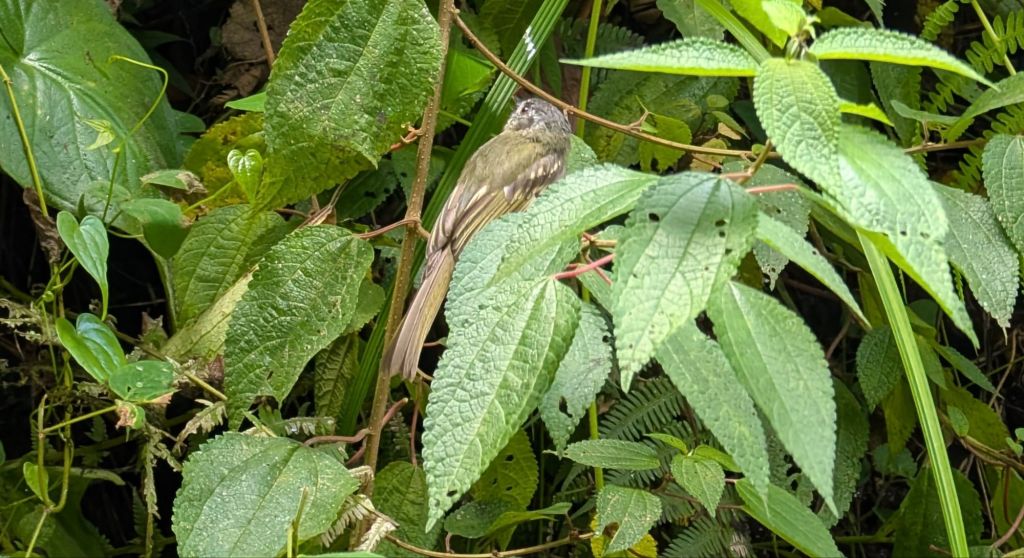
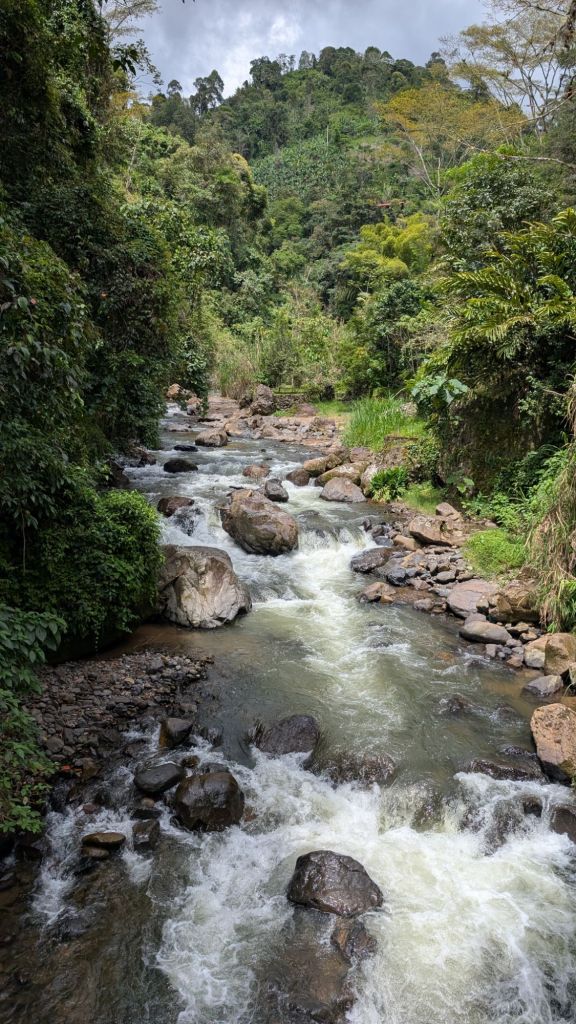
The bus from Medellín was at 6:30am, so we arrived in Jardín really early and got to enjoy the whole rest of the day. We went out for a walk down towards a little waterfall, and here we saw our first Andean Motmot, one of the biggest and most beautiful we’ve seen. (I’m on 8 Motmot species now!) We watched the pair make a burrow, they would fly into the dirt bank and remove some of the soil, then return to their perch.



Then in the evening we went to one of the most famous birding spots in Colombia: Reserva Natural Jardín de Rocas – a Cock-of-the-rock lek within walking distance of the town centre. Yes, really.
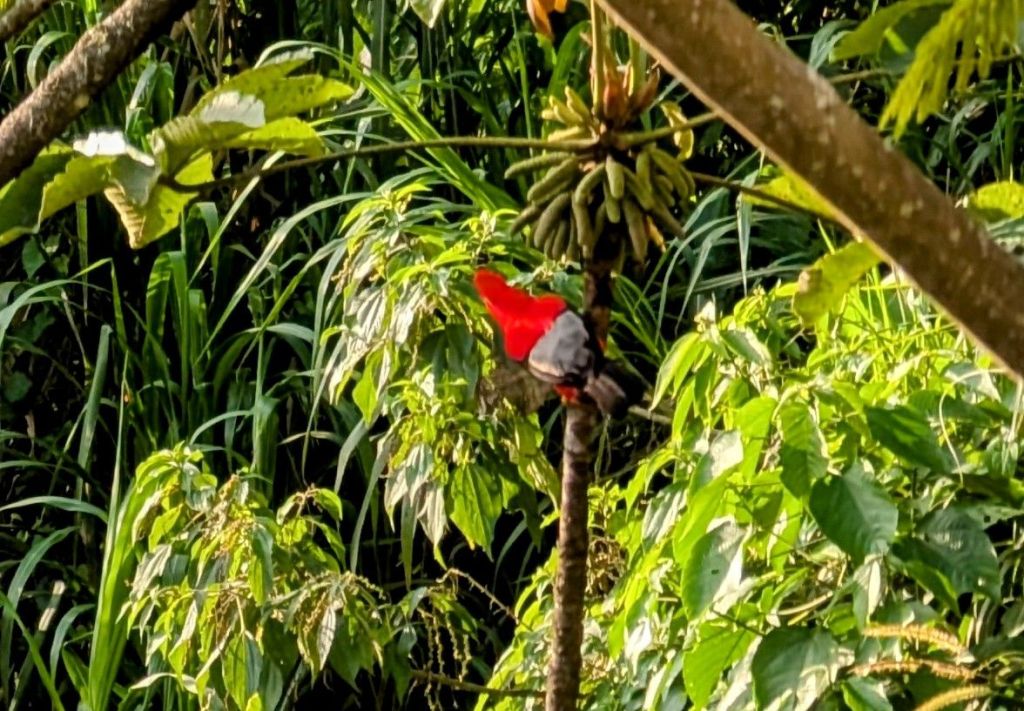
The Andean Cock-of-the-rock is an absolutely mad-looking bird (as you’ll see), part of the Cotinga family – which includes other weird and wonderful species like the Three-wattled Bellbird we saw in Costa Rica. And a lek is basically where male birds gather to strut their stuff and show off for the ladies. It’s rare behaviour in the bird world, and the Cock-of-the-rock is one of the most famous species to do it.
Usually, leks are tucked away deep in the forest, hard to find and even harder to get to – like all those elusive manakin leks we heard in Costa Rica but never saw. So the fact that this one is right next to town is kind of insane.
Even more so considering the Andean Cock-of-the-rock only lives in the Andes across Colombia, Ecuador, Peru, and Bolivia, and outside of leks, they’re notoriously difficult to spot.
It cost 15,000 COP to get in (less than £3), and when we arrived, we were the only ones there. No guides, no crowds – just us and around twenty bright red birds going absolutely wild, performing their bizarre dance just inches from our faces. No females around, just the boys practising their routines. It was so loud, echoing through the trees like some surreal, tropical bird boyband rehearsal 😂
It was so good and much better than I could have imagined, they were WAY closer than I expected, I didn’t even get my binoculars out of my bag… 😌



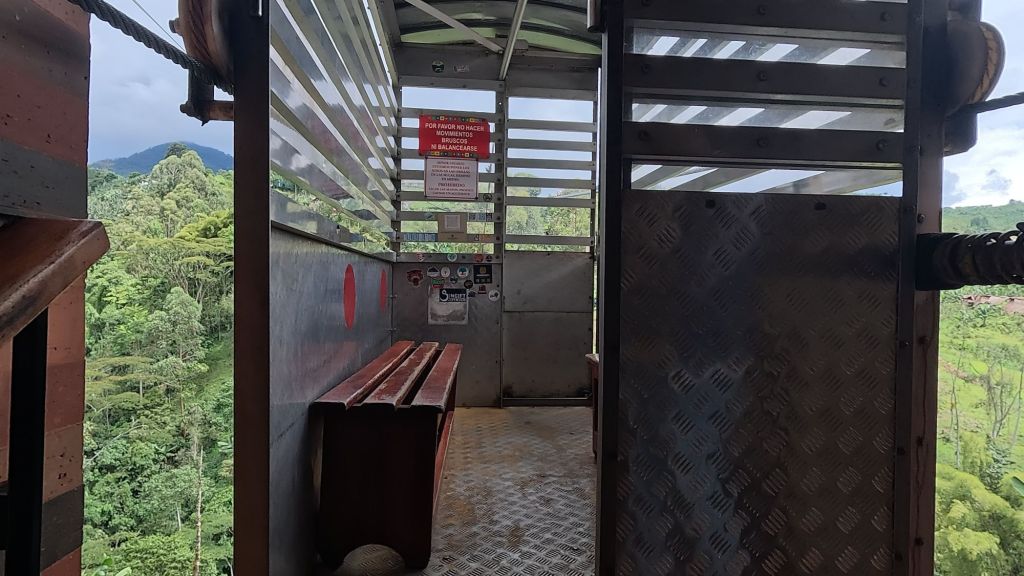
The next day was raining so much, so we decided to stay local and walk some more around the town of Jardín, we had a delicious coffee in the square and then when the rain eased, we took the “cable car” over the valley to start a walk back to town.
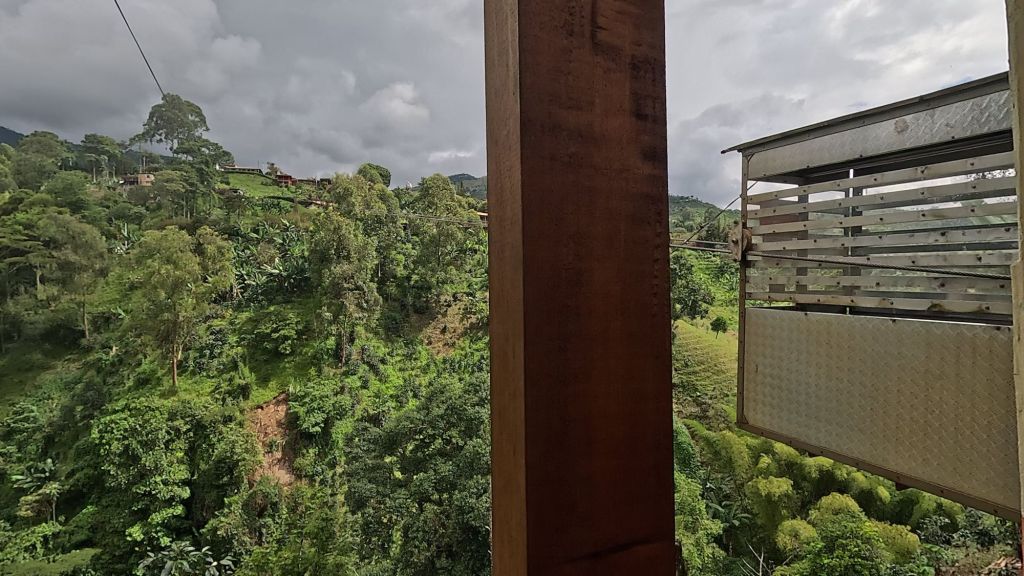
Cable car was a bit of an overstatement though, and when we arrived, all we saw was a metal box big enough for about 4 people suspended on 2 metal cables and an electric pulley, pulling us across. It was a bit mental 😂
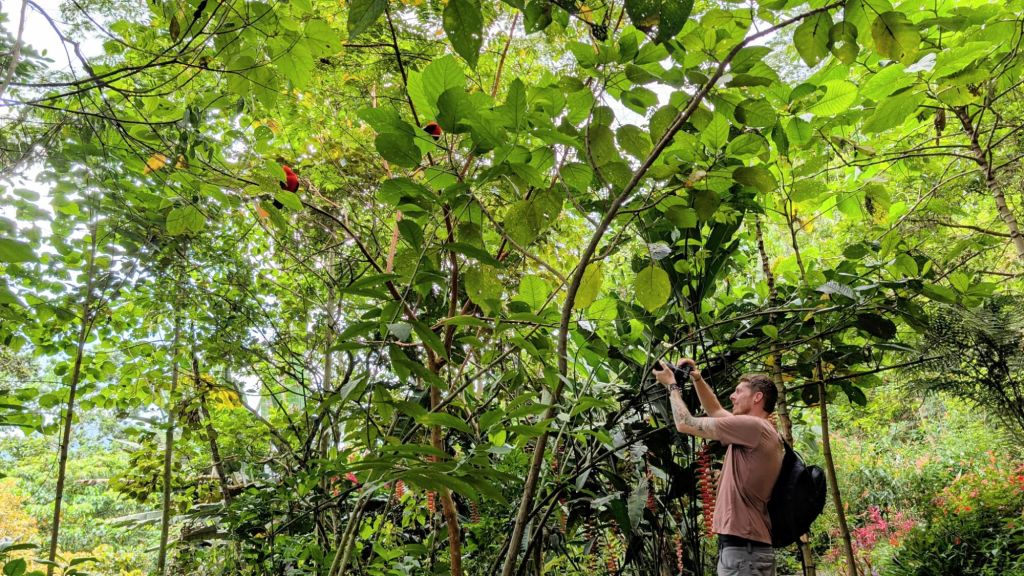
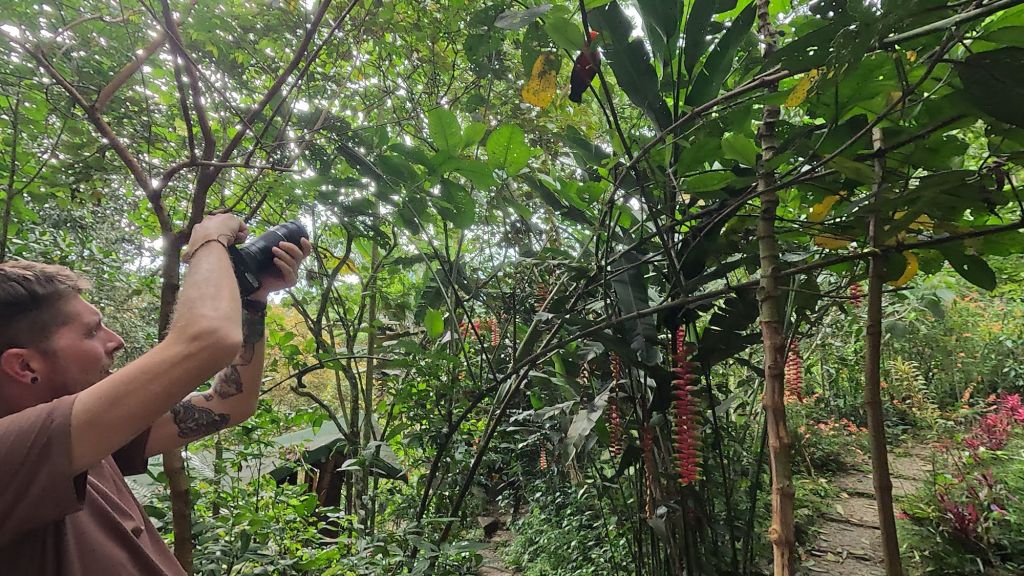
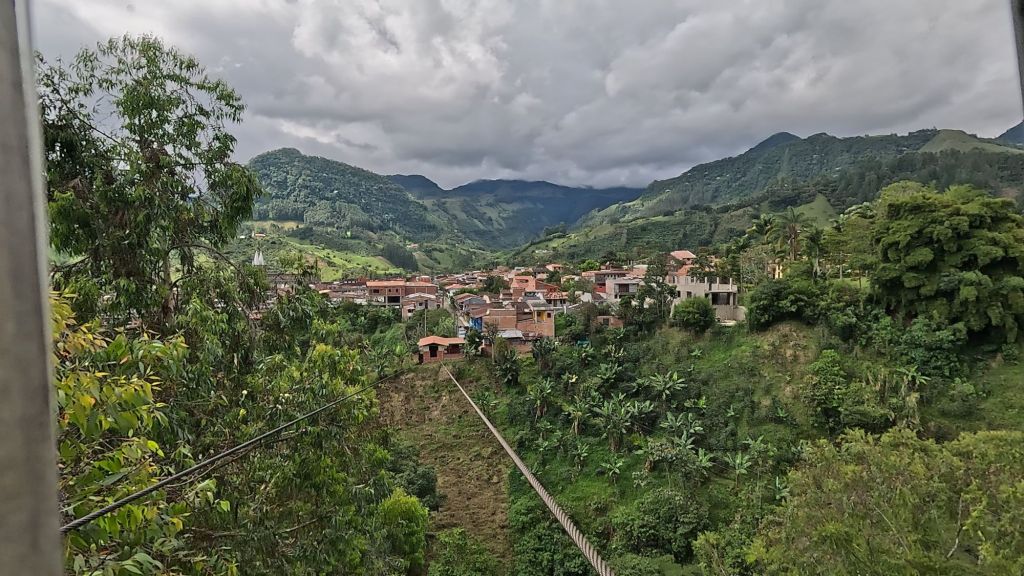
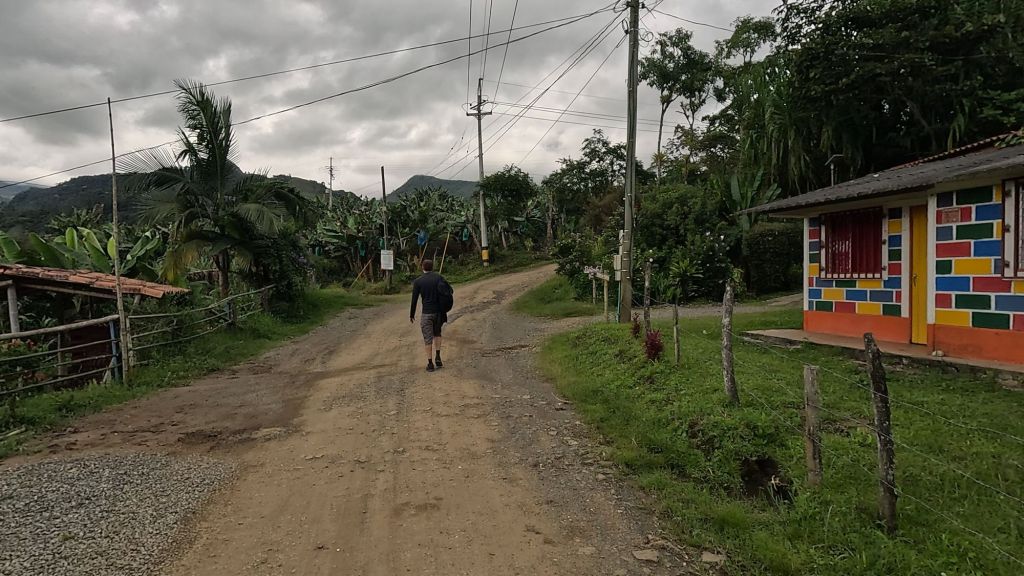
On the other side, there was a spectacular viewpoint of the town, then we slowly walked back down the hill and across the river into the centre. On the way we saw countless hummingbirds, a toucan barbet, the famous green jays, lots of colourful tanagers, and of course, more Andean motmots 😌 it was a lovely walk, and we ended back in town at the central square.
We even spotted a couple of male Andean Cock-of-the-rocks on the walk to, just on the trees, not in a lek, I guess now we know what to look for they are easier to see 😉







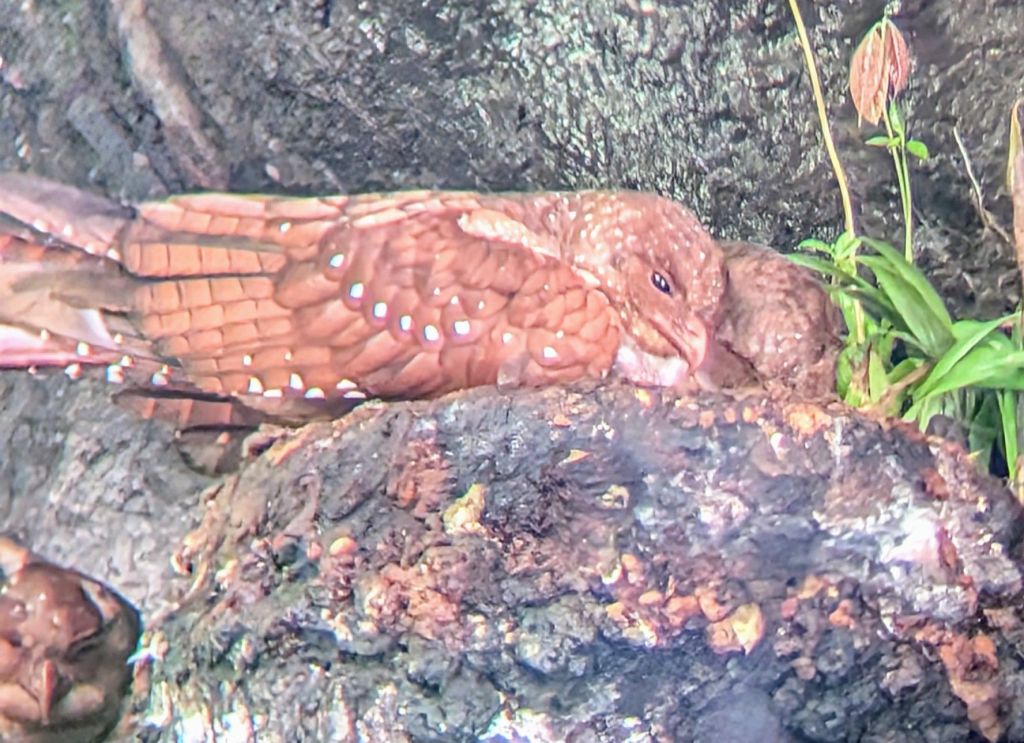
The next day I wanted to go to a private reserve also walking distance from town where you can see Oilbirds, a truly fascinating species of bird. They are nocturnal fruit eating birds, which use echolocation (like bats) to navigate in the dark. During the day, the roost in hidden canyons along rivers, usually in big family groups. The seeds from their poop washes into the rivers and so they are a very important bird for seed dispersal too.
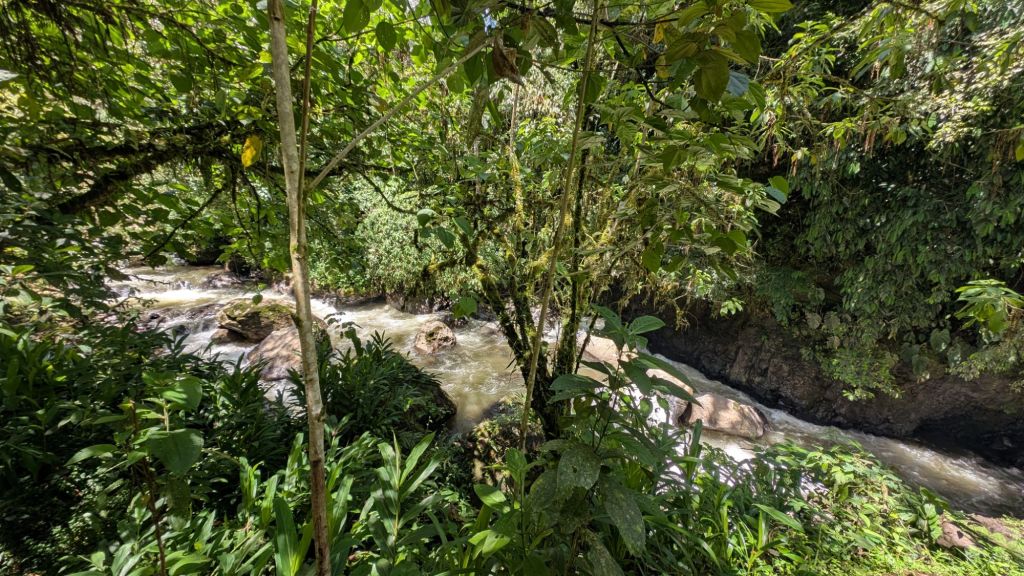
It was a bit more expensive to get into this reserve, so I went by myself and Dave waited in the Cafe. We walked down lots of steep dirt steps carved into the hillside then came to the river.
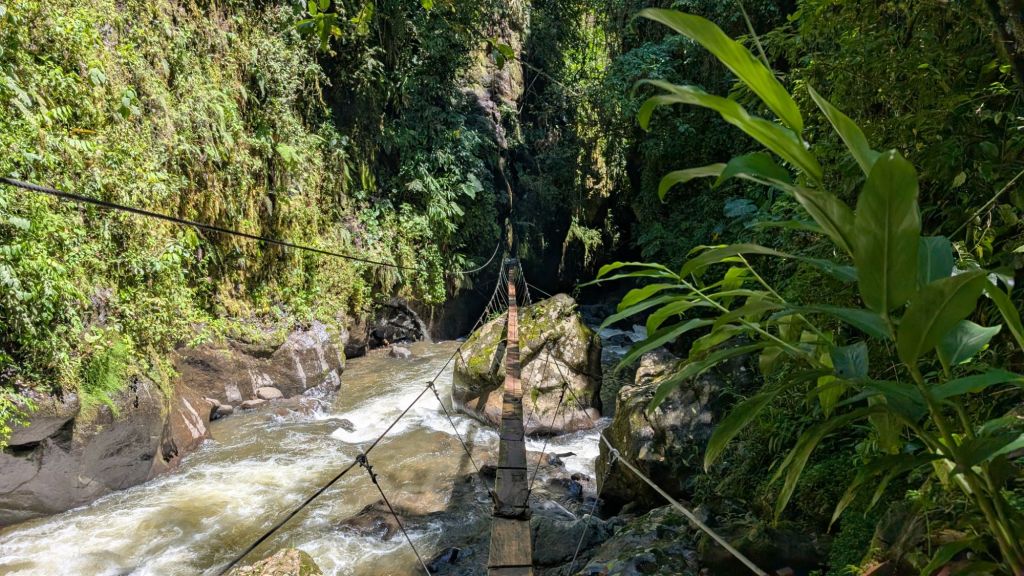
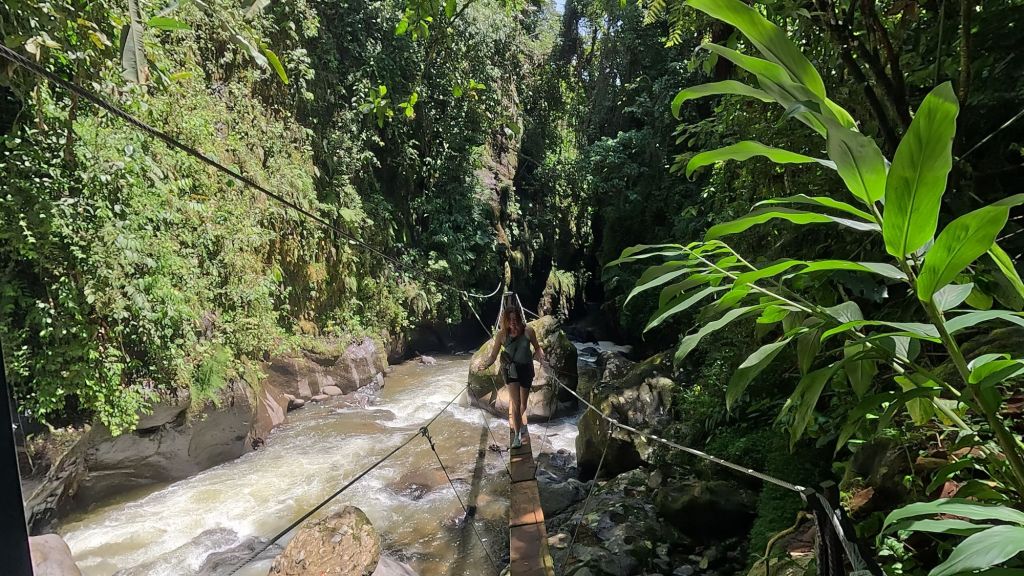
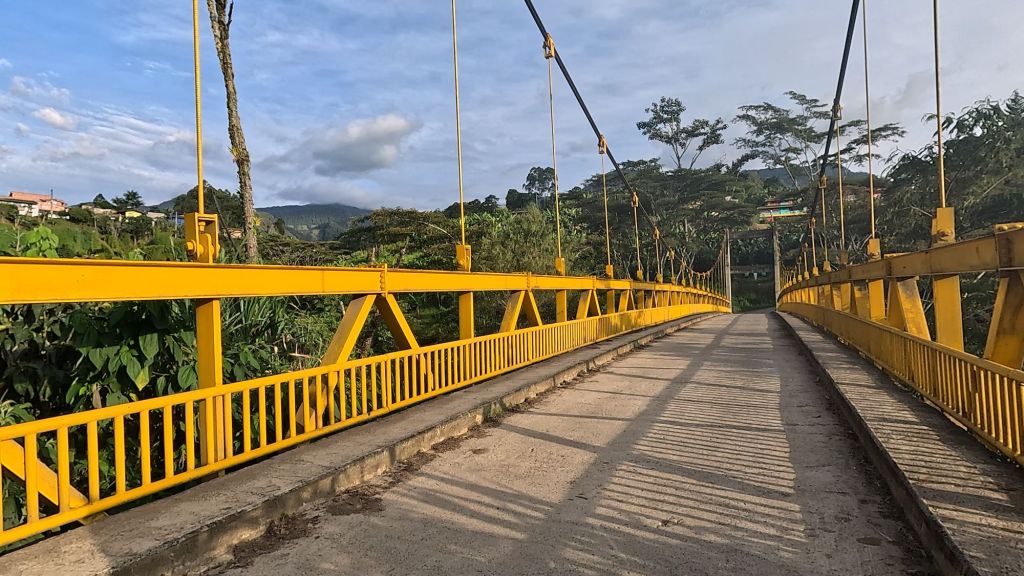
That’s when I noticed the guide had been carrying a harness this whole time… I had to put the harness on and walk across a narrow suspension bridge to the viewing platform on the other side to see the Oilbirds.
It wasn’t a bad walk all-in-all, but since I might have been the only person there that week, it was full of spiderwebs crisscrossing the bridge and I got covered head to toe haha.
But at the other end it was totally worth it, there were about 20 Oilbirds all cuddled up together sleeping or dozily preening each other. They were much bigger than I thought they’d be, and had beautiful markings on their feathers.
In the canyon was also a Cock-of-the-rock nest – only the female takes care of the chicks (the males are too busy dancing) so I saw the female flying back and to several times whilst I was there as well.
And there was an Oropendola next hanging from the tree which a male was currently building – the males build several nests and the female chooses one. He was concentrating solely on finishing this one and kept going off to get more grass and twine. Oropendola nests are amazingly intricate!
It was a great bird day!




That afternoon we walked around the town some more and spotted more birds, tonnes of tanagers, parrots, hummingbirds, there were so many, even our bird feeder at the apartment had loads (well it was called “the bird apartment” 🤣), including Colombian chachalacas (the forest chicken) as well.
We walked down towards the Cock-of-the-rock lek in the evening, but we didn’t go in, we just chilled on the bridge nearby listening to them and spotting any which strayed too far from the lek.
We loved Jardin, it was such a pretty little town with great Colombian coffee culture and cafes. The owners of our apartment even gave us some of their coffee, which is grown above 2,500m and so doesn’t need any pesticides etc, it was absolutely delicious and we ended up buying some to bring home.
We decided it was probably the most beautiful town we’ve ever visited… And that’s a tough line up considering we’ve travelled across the world and been to almost every continent in the last 18 months!
We would definitely return to this beautiful place!



 Travel Alchemist
What are your best Travel Tips?